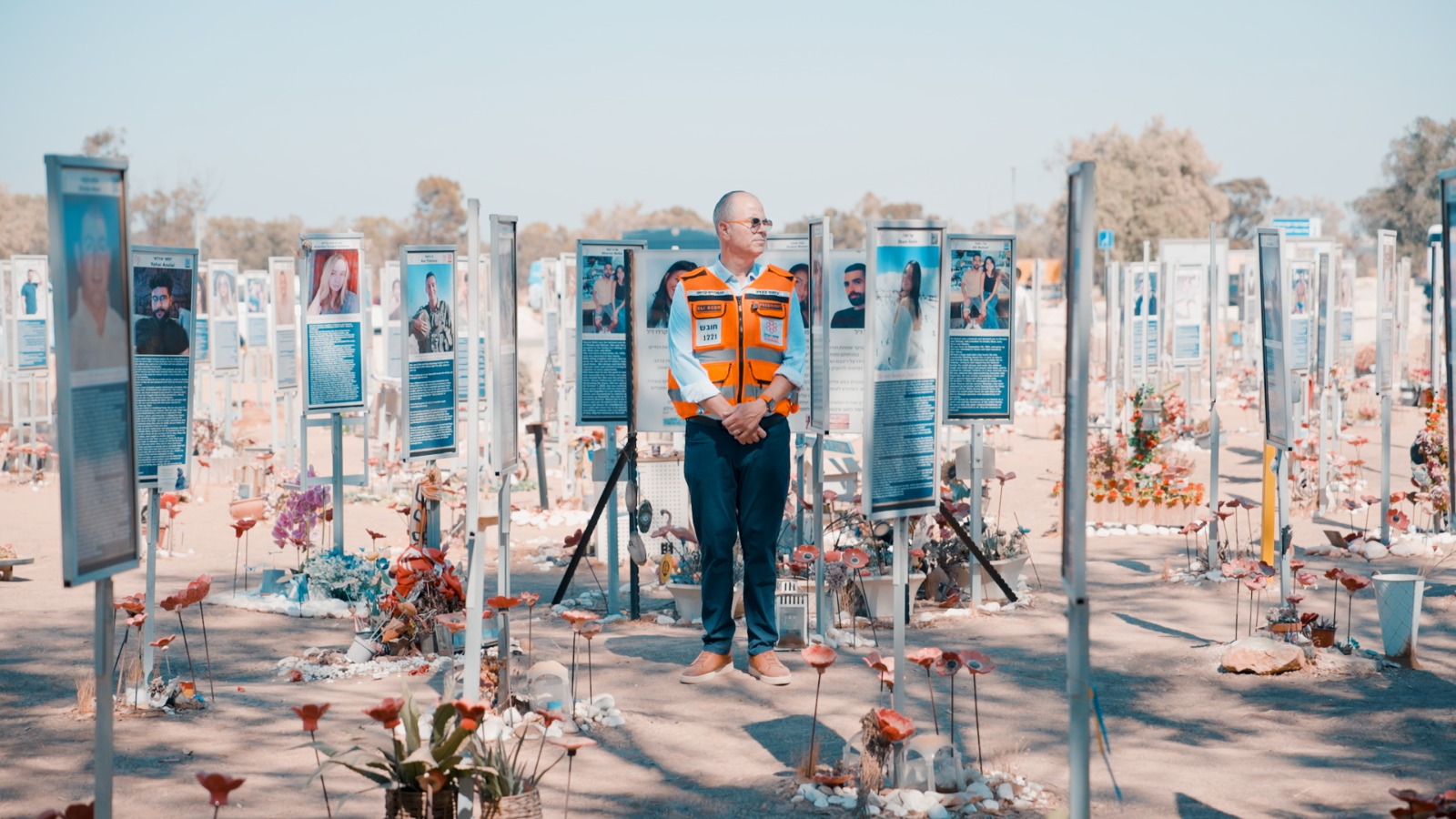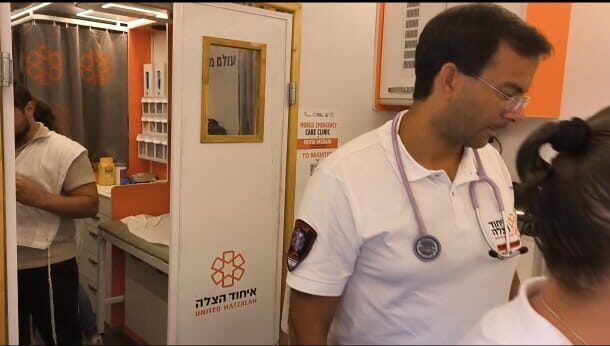


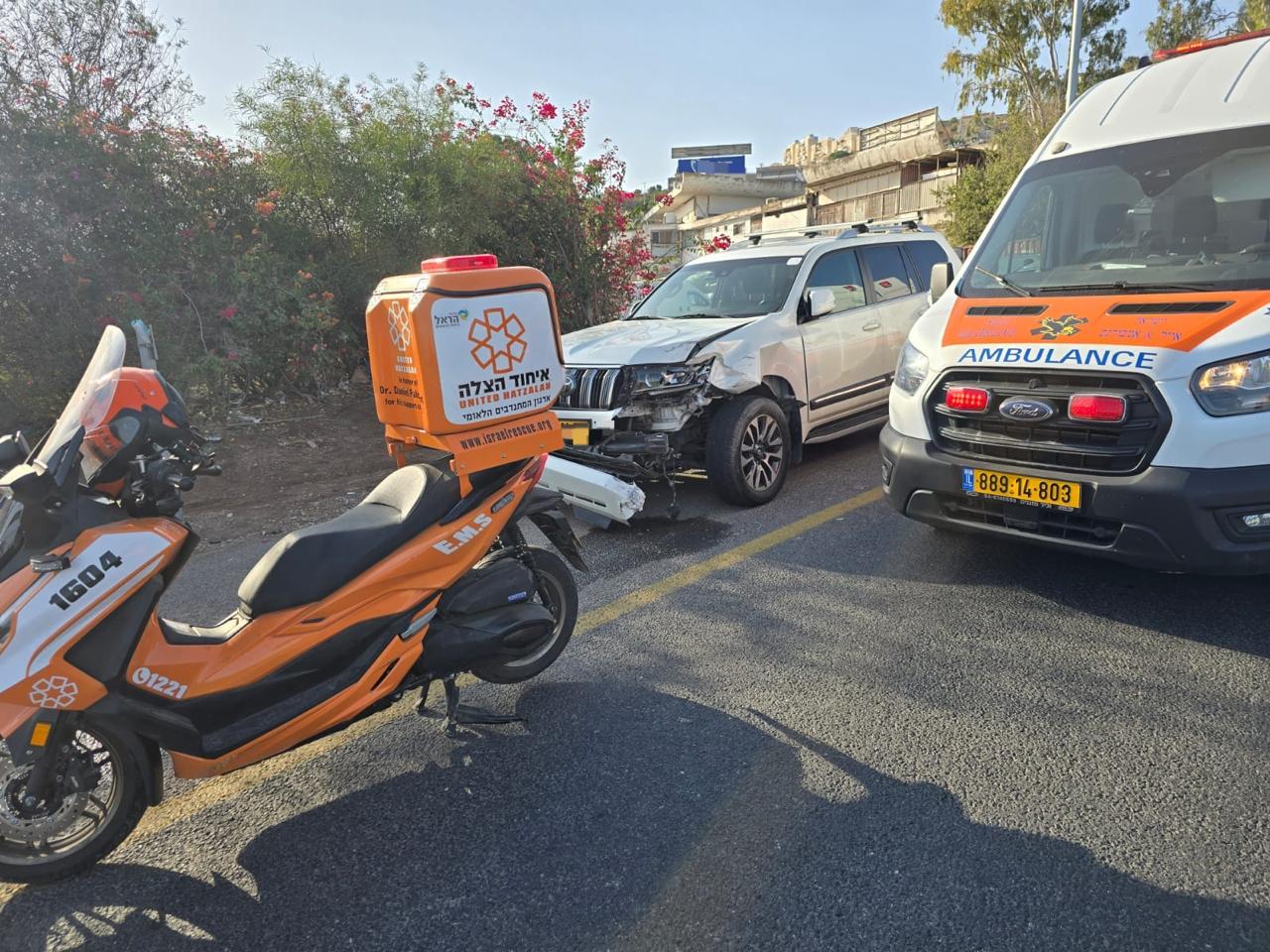
We call them the Heroes in Orange. You’ve seen them, men and women of all walks of Israeli life zipping through traffic on bright orange ambucycles, or blurs of orange emergency life-saving vehicles. Those all too familiar vests marked “United Hatzalah *1221.” But behind the flashing lights and wailing sirens lies a nationwide team over 8,000 people strong. A network of ordinary people performing extraordinary acts of kindness, each and every hour of each and every day, and all because they want to help fellow human beings in their hour of need.
Over the span of a single day, United Hatzalah’s volunteer medics, EMTs, and paramedics race to thousands of emergencies across Israel. Anything from allergic reactions to traffic accidents, from labor and delivery to workplace injuries, domestic violence and unfortunately terrorist attacks. This isn’t their job, it’s a selfless calling to help; unpaid, unheralded, but hopefully never unnoticed.
This is what a 24 hours of rescue looks like.
Morning: Violence on the Road
The day, Sunday, begins in the north, near the busy Pal-Yam Junction. A 41-year-old man lies bleeding after a violent assault. Within minutes, volunteers Nechemia Erlanger, Moshe Kara’i, and Eden Harush arrive. “We had to act fast,” recalls Erlanger. “He was losing blood fast. We stopped the bleeding right there on the roadside before transporting him to a nearby medical facility for continued medical care.” Their patient survives thanks to their quick response and professional training.
At that same hour, a 21-year-old driver overturns his car in Rehovot. Another volunteer team from United Hatzalah stabilizes him before whisking him away in an orange ambulance, one donated by a global network of friends of United Hatzalah.
Few realize that United Hatzalah provides emergency medical treatment free or charge to all regardless of background, ethnicity of nationality. Even fewer know that United Hatzalah, its volunteers, equipment and training, isn’t government-funded. Every ambucycle, defibrillator, and bandaid comes from private donations and from people around the world who support the mission:to get help to anyone, anywhere in Israel. Our ultimate goal is to respond within 90 seconds across all of Israel.
Midday: Ordinary Streets, Extraordinary Responses
In Bnei Brak, a 50-year-old motorcyclist hits the pavement hard on Mivtza Kadesh Street. Across the road, an 18-year-old electric scooter rider loses control near Ayalon Mall. All the while, volunteers Ron Cohen and Maya Erez, both young parents themselves, treat each case individually. “You never know what’s next or where the next call will come from,” says Cohen. “You might be in the middle of lunch with your kids, and suddenly your phone beeps; you drop everything and go.”
That beep and the cutting-edge technology behind it, is what connects over 8,000 volunteers from Eilat to Metulla. Regardless if the calls come in during Shabbat, holiday or Yom Kippur, the holiest day of the Jewish year, it doesn’t matter; if there’s a medical emergency nearby, one of our Heroes in Orange is ready to respond.
Afternoon: When Seconds Matter
In Jerusalem, Dr. Nathan Unger, a physician and Hatzalah volunteer, pulls over his car to treat a 38-year-old scooter rider who slipped on tram tracks. “I wasn’t planning on taking a call,” he says. “But for a United Hatzalah volunteer, there’s no such thing as on or off duty.”
Meanwhile in Bnei Brak, a 7-year-old girl falls from a classmate’s shoulders during recess. Hatzalah medics Yedidya Aboaziz and Menachem Slovitzky are first to respond. “Her friends were crying, holding her hand,” Aboaziz recounts. “We calmed both girls down. That too, is part of what we do; we tell them that they aren’t alone, that we’re here to help.” The injured girl was later transported to Schneider Children’s Hospital for follow-up care.
Moments later, in Tel Aviv, a driver loses control and flips his vehicle on Derech HaShalom. Nearby, in Ramat Gan, a 75-year-old woman tumbles from her mobility scooter. United Hatzalah volunteers treat both within minutes. One team stabilizing a fractured arm, another treating a head injury. “We aren’t just medics,” says veteran volunteer Eliyahu Tzarfati. “We’re neighbors. We’re there because we care. After all, it could have been our mother, our son.”
Evening: Lessons in Humanity
As dusk falls, another call for help comes across the national dispatch network. This time its a man who fell from his pergola while dismantling his sukkah in Hadera. Volunteers rush to his side, stabilizing his head injury and calling out to the public to take caution when disassembling the fragile holiday structures. “Even a mitzvah can turn dangerous if you’re not careful,” says one responder with a satirical smile.
In the south, commuters on their way home from all long day of work get into a chain collision near Ashdod, leaving five people injured — one moderately, four lightly. In Ramla, tragedy nearly strikes when a wall of concrete blocks collapses on a construction worker. United Hatzalah’s team digs him out, stabilizes him, and saves his life.
Midnight: The Quiet Between Calls
By midnight, while most of the country slumbers soundly, the medical alerts don’t stop. With some 2000 calls each day, there never is a quiet moment. These heroes are on the standby somewhere, anywhere in Israel so that if there is an elderly woman struggling to breathe, or a baby needing to be delivered, they are available at a moment’s notice.
In just 24 hours, dozens of lives were touched, some saved, all changed by one of these brave Heroes in Orange. And the beauty is you can be a hero too. Contact us and learn how you can join our orange family and help save peoples lives.