

Three years after October 7, I found myself once again driving south toward the communities of the Gaza Envelope.
I had made this journey before.
The last time I came here was several months after the massacre, when the war was still raging, and the south still felt like a warzone.
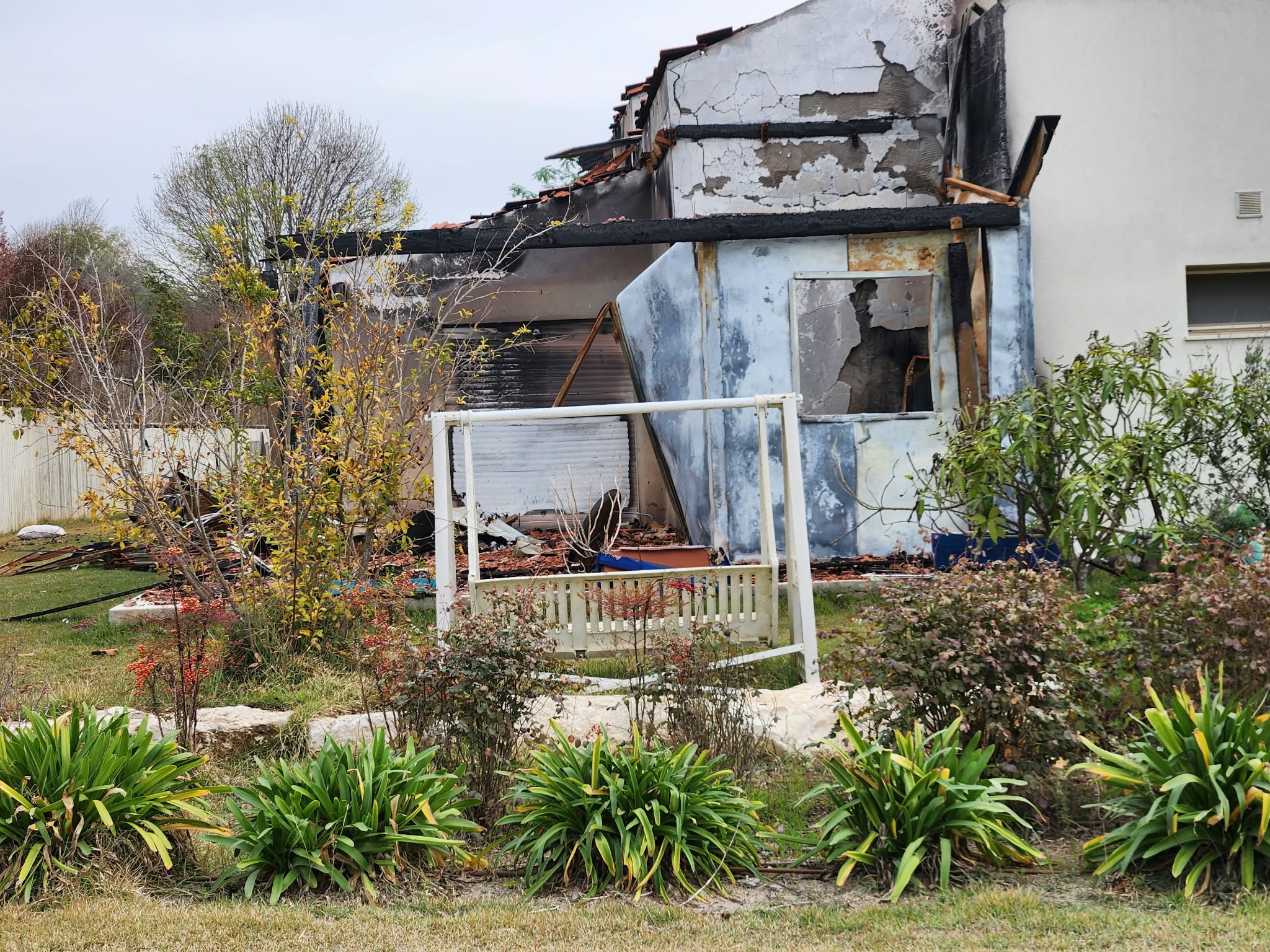
In Be’eri, I walked through burned homes and shattered streets. I saw the tracks left behind by IDF tanks that had rushed into the kibbutz on October 7, desperately trying to reach residents trapped inside. In the fields near Re’im, where thousands had gathered for the Nova festival, the silence felt almost unnatural. Sderot, too, felt hollow. Streets that should have been filled with children, workers, buses and shoppers were largely empty.
The entire nation was holding its breath, unsure of the path ahead.
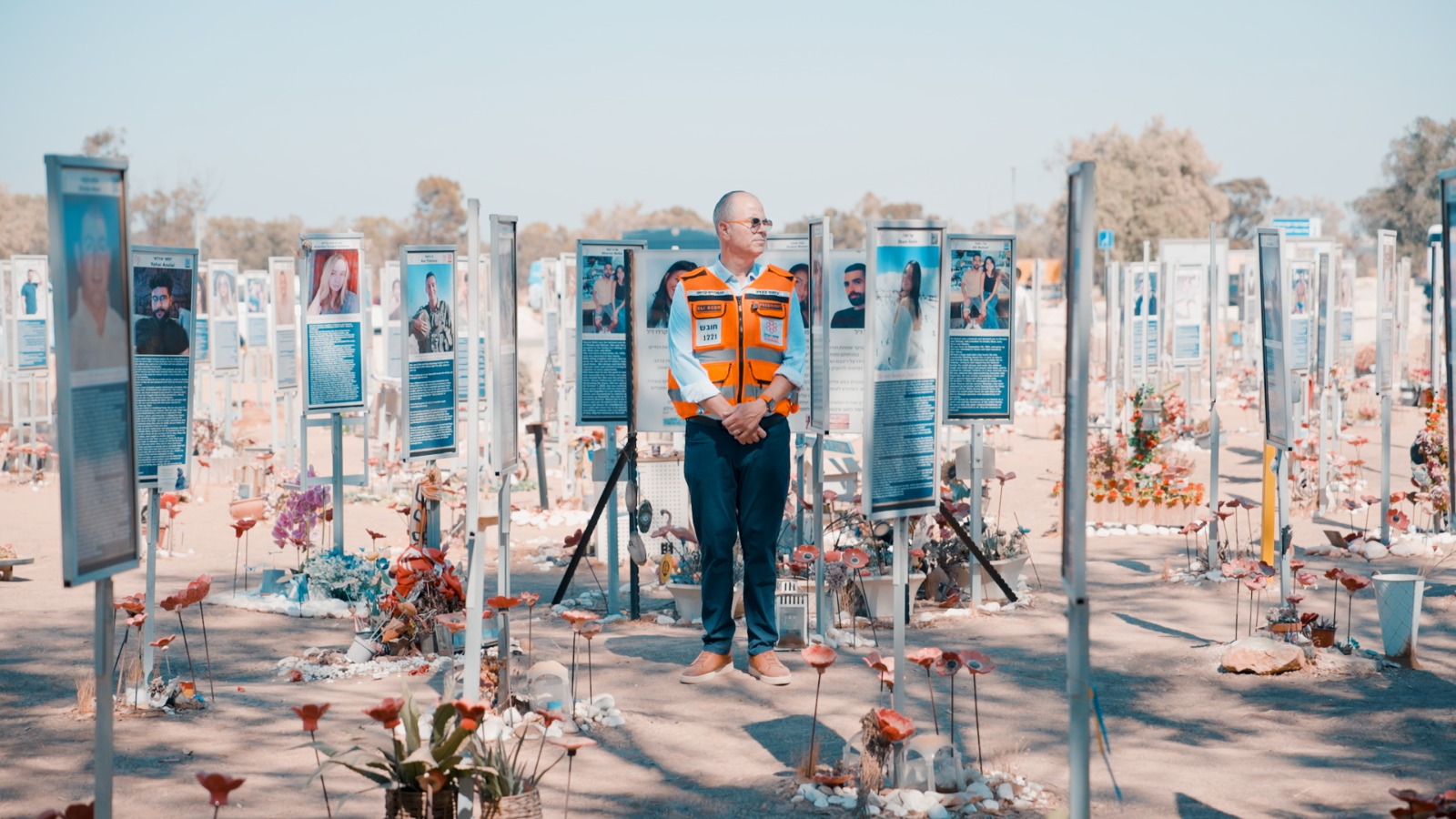
Now, three years later, some physical devastation remains, whether left as is on purpose for commemoration or because no one has returned to rebuild. There are still scars on buildings, and memorial markers are scattered all along the roadways.
But this time, something else was impossible to miss.
I noticed that life had returned. Driving through Sderot, I saw children playing in the streets. Cars moved through intersections once again. People drove to and from work, ran errands, carried groceries, and did all the ordinary things that make up a normal day.
Restaurants that had once stood shuttered closed now had Wolt delivery drivers waiting for orders to be ready.
This might seem trivial, but they are the very things that felt so significant.
Rebirth isn’t about ceremonies. It requires children to ride their bicycles down a once empty street. Customers in a gas station and traffic at intersections.
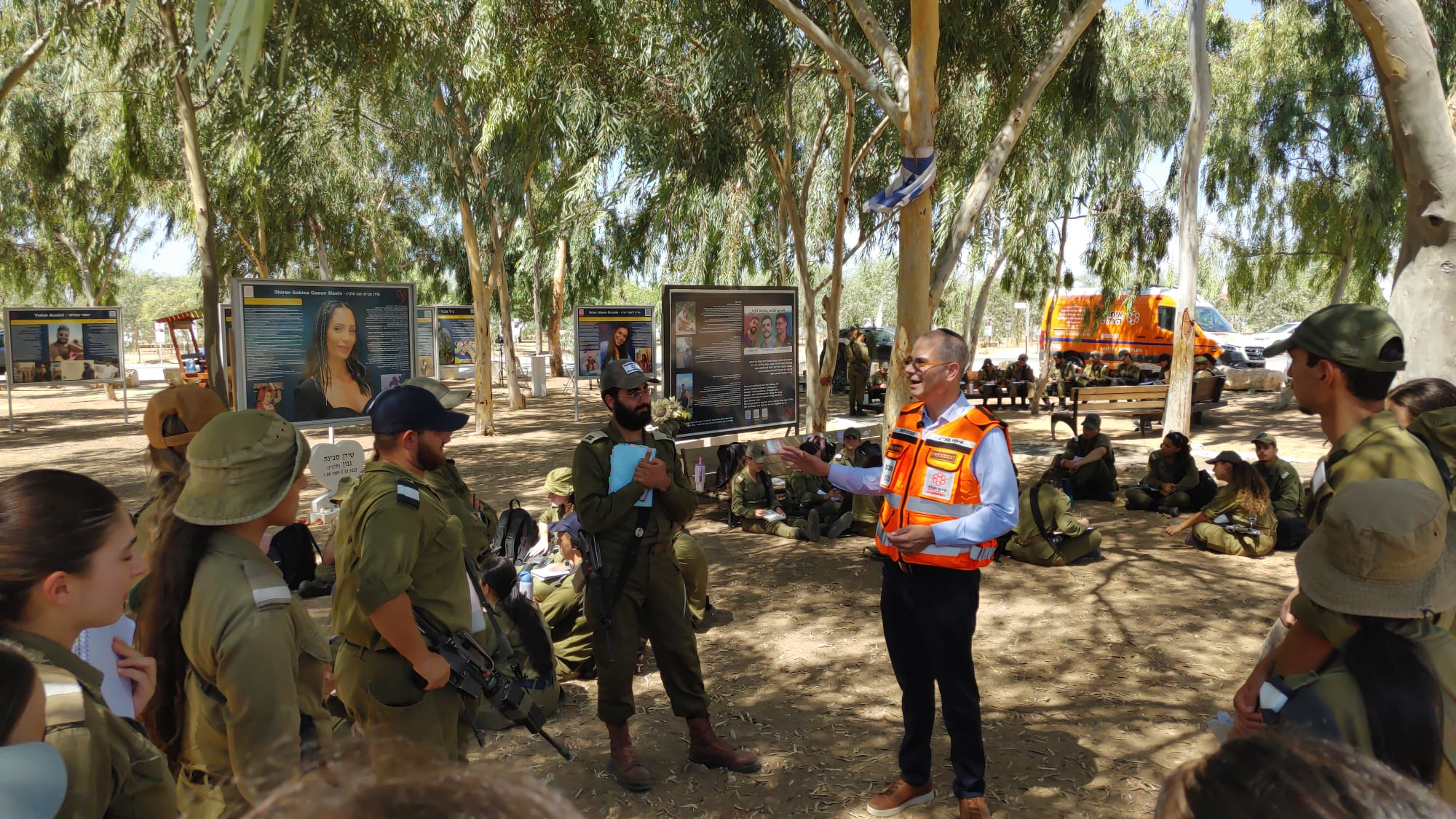
Another difference between visits was the tone. Last time we came to bear witness to the tragedy. This time, I had come south to retrace the footsteps of the first responders who drove into these communities on October 7 to save lives. We stood where they stood three years ago. We heard stories of bravery and compassion for people in need of medical treatment.
That is what struck me most on this return.
The south is not what it was before October 7. It never will be.
Too much happened here. Too many people were murdered. Too many families were shattered. Too much pain took place on these grounds. But tragedy can give way to renewal.
That process is, in many ways, our national identity. We are a nation built on tragedy and triumph. The difference between the Jewish nation and others is that we remember our tragedies. We carry them with us. We do not try to erase them or forget. Our story is trans-generational. Passed down from parents to their children and grandchildren.
That is how we rebuild life, communities, and even a state from the ashes of destruction.
Yes, the scars remain, as they should. But they do not prevent us from living.
Three years after October 7, the Gaza Envelope is no longer silent.
Children are playing. Streets are open. People are working. Families are rebuilding.
And amid the places where so much death and destruction took place, there is once again the sound of life.