

The Grape Emergency
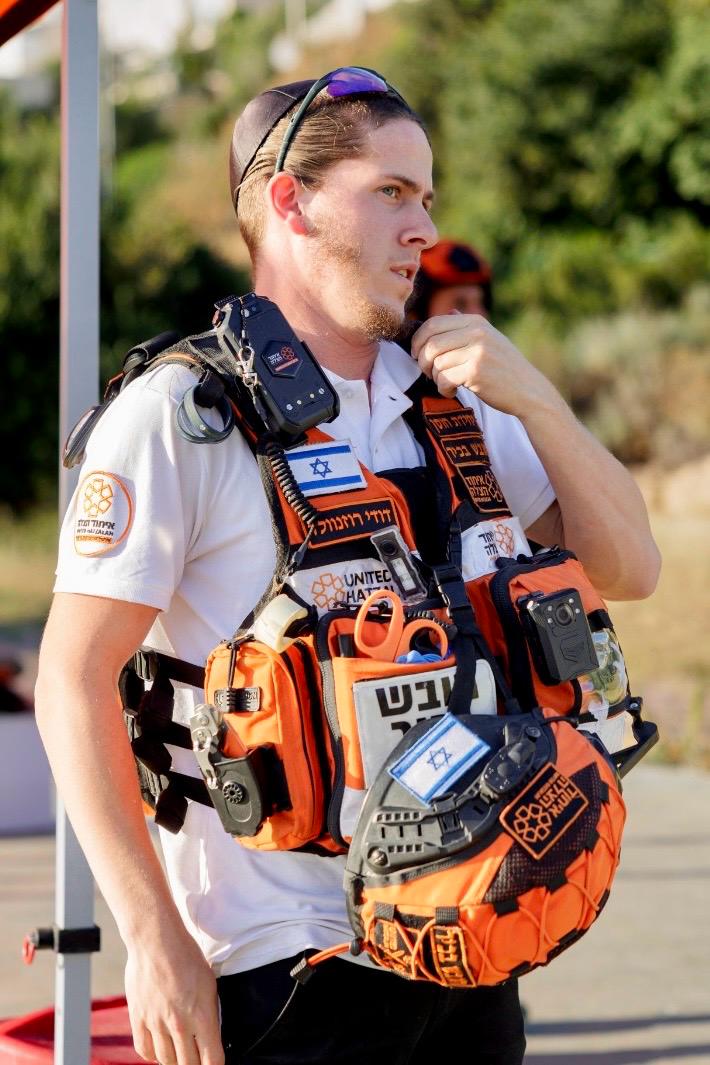
The call came from someone urgently needing help. A three-year-old girl choked on a grape and was no longer able to breathe. Within moments, United Hatzalah volunteers were racing toward the family’s home. I arrived at the house, as did fellow United Hatzalah volunteer Moshe Viner.
When we entered, we immediately understood the severity of the situation.
The little girl was unresponsive. Her parents were terrified, and her brothers and sisters were watching as their living room suddenly became the scene of a medical emergency.
As usual, there is no time to hesitate.
Everything around us disappeared. All that we were concerned about at that moment was the child in front of us and the need to help save her life.
We began performing CPR and worked together to clear the child’s airway. During the resuscitation efforts, we were able to extract the grape that had become lodged in her throat.
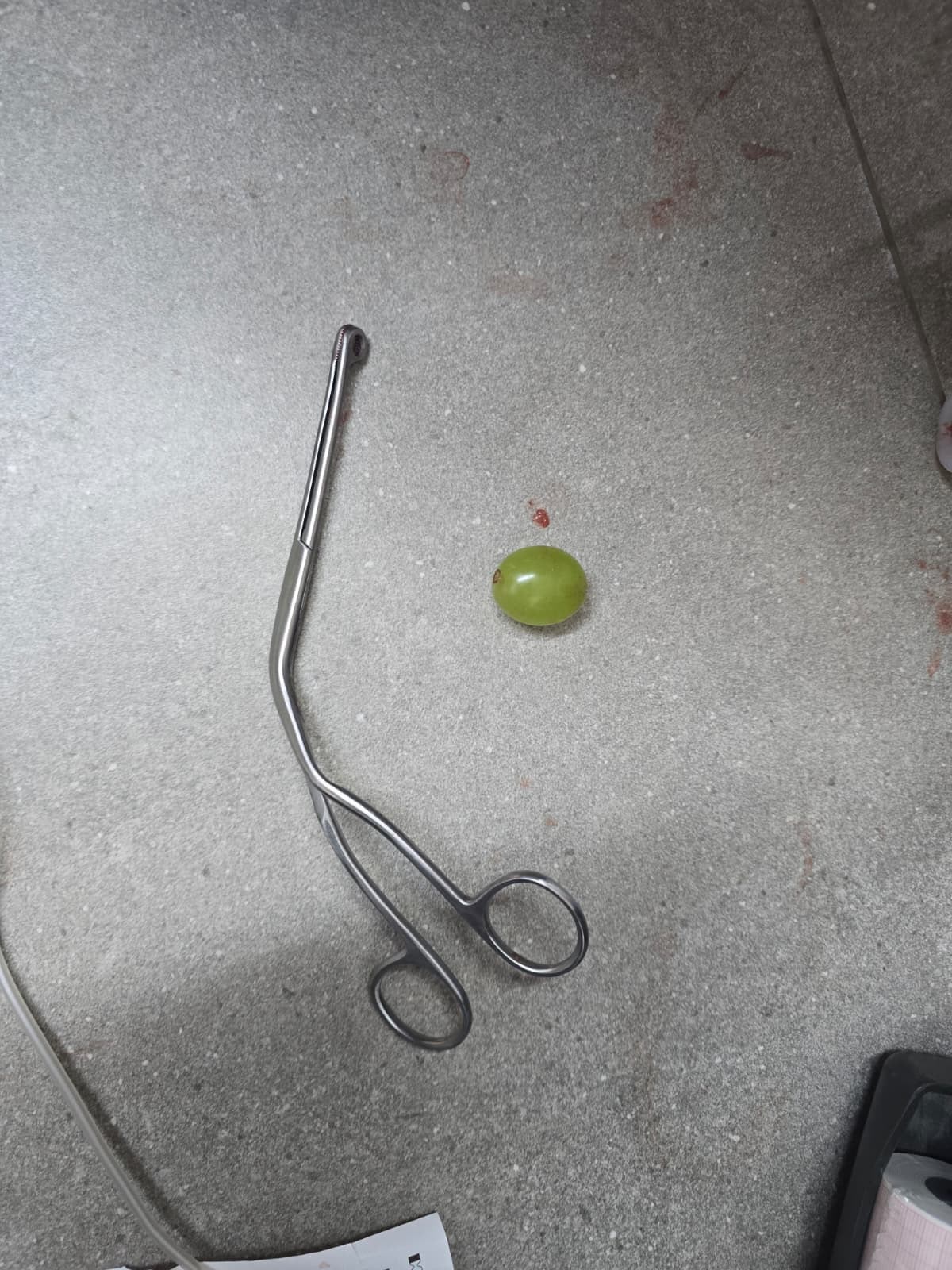
We continued providing emergency medical treatment until a pulse was detected. It is a moment that every first responder hopes to achieve in these hard situations. Nonetheless, there was no time to celebrate. She still required urgent hospital care and close medical supervision.
The child was transported to the hospital, accompanied by her parents.
But the emergency did not end when the ambulance left.
Inside the apartment were siblings, ranging in age from five to seventeen. They had witnessed the frantic efforts to save their little sister. They had seen the medical equipment, heard the sounds of a medical emergency as medics worked, and watched their parents leave for the hospital.
For them, the apartment was no longer simply their home. It had become the place where they had nearly lost their sister.
Members of United Hatzalah’s Psychotrauma and Crisis Response Unit remained with the family’s children, providing emotional support and helping them process what they had just experienced.
Even though our training as first responders focuses on the patient in front of us, we cannot ignore the people who are affected in the immediate vicinity. So even while we check breathing, circulation, and vital signs, we are also there to reassure people that help is here and they are not alone.
This is just another part of responding to an emergency as a United Hatzalah volunteer.