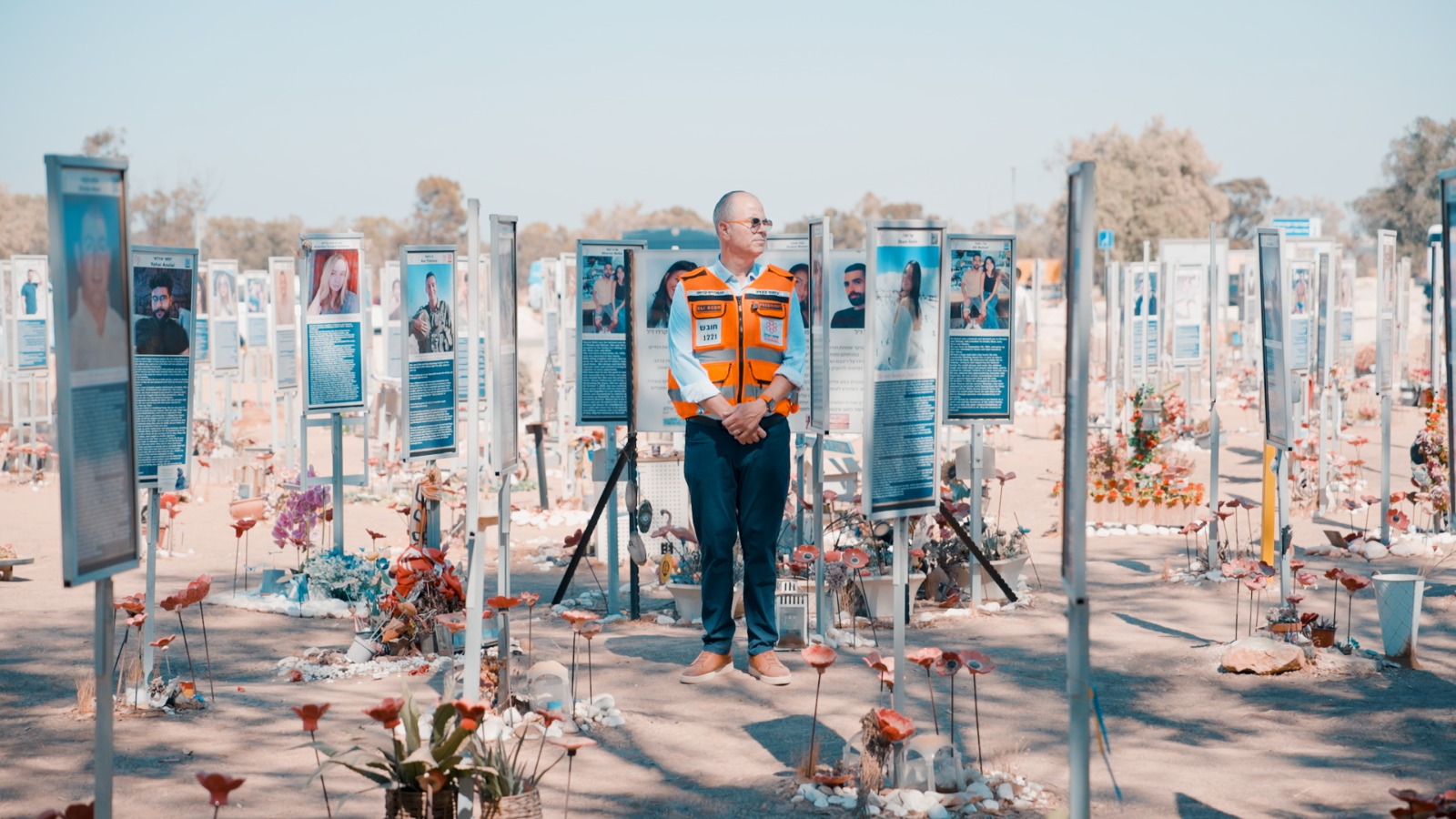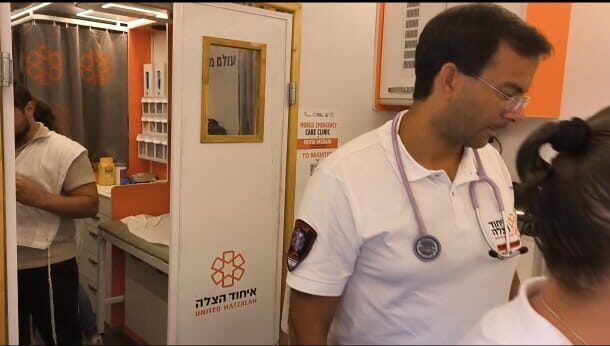


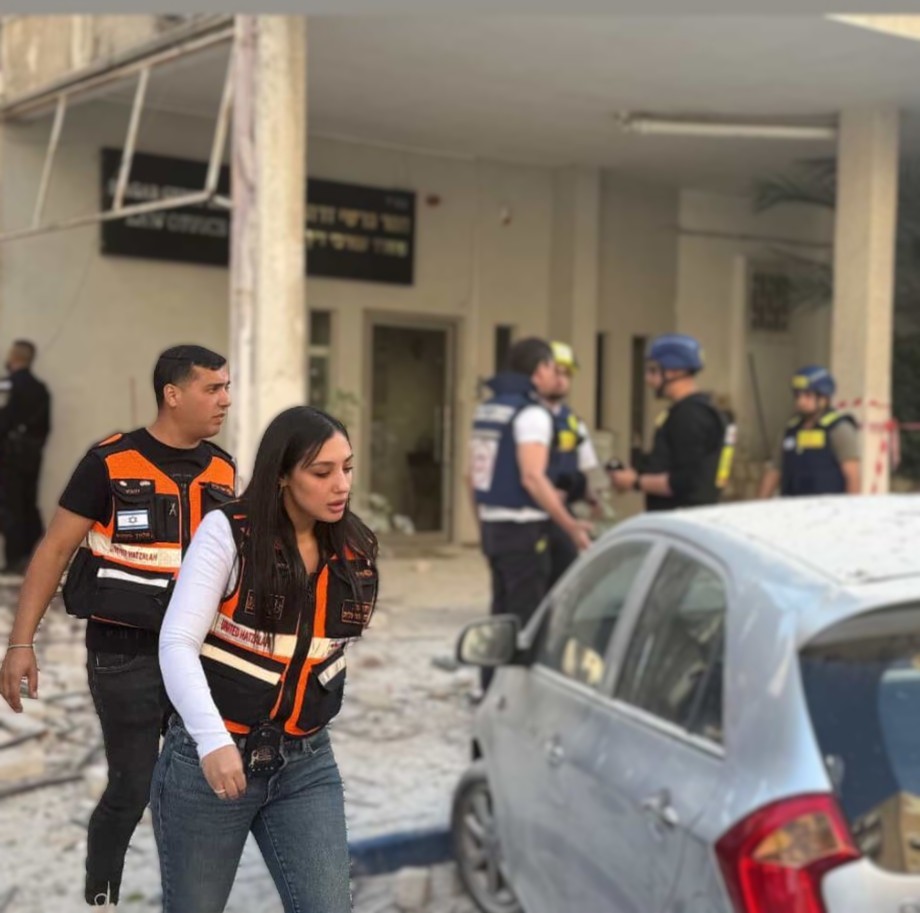
In the midst of Day 5 of Operation Roaring Lion, as sirens continue to echo in cities across Israel and millions rush to seek shelter, another phenomenon is unfolding across Israel. Among the thousands of United Hatzalah first responder volunteers race toward danger is an army of women who have chosen a path of service that demands courage, professionalism, and compassion in equal measure. They are known among their colleagues simply as the “Heroines in Orange.”
Across the country, women volunteers of United Hatzalah respond to emergencies at all hours of the day and night. Wearing the organization’s unmistakable orange vests and helmets, they arrive at scenes of missile impacts, treat those injured while rushing to protected areas, comfort families suffering from shock and trauma, and continue to answer the steady stream of medical emergencies that persist even during wartime.
Names like Meirav Ben Yisrael, Shoham Samson, Noemi Tivon Galeano, Linor Attias, Sigal Aeni, Dalia Schwartz, Nili Zivan, Hadas Ruchman, and Tzofit Goren represent just a few of the women who have stepped forward to serve their communities and their country as emergency medical technicians and first responders. Each balances personal lives, families, and professional responsibilities while remaining on constant alert to help others in moments of crisis.
Their presence reflects a quiet but powerful reality. In Israel’s volunteer emergency response system, women are not merely participants. They stand as equals to their male counterparts. They are leaders, caregivers, lifesavers, and psychotrauma specialists who stand shoulder to shoulder with their fellow responders in some of the most challenging circumstances imaginable.
A Loss That Touched an Entire Community
This week, the United Hatzalah family suffered a devastating loss with the death of Ronit Elimelech, of blessed memory, in an Iranian missile attack in Beit Shemesh.
Ronit was not only a dedicated volunteer EMT. She was also a mother, a friend, and a colleague whose compassion and devotion defined her service. She had committed herself to helping others in their moments of greatest need. Yet even in grief, Ronit’s legacy continues to inspire.
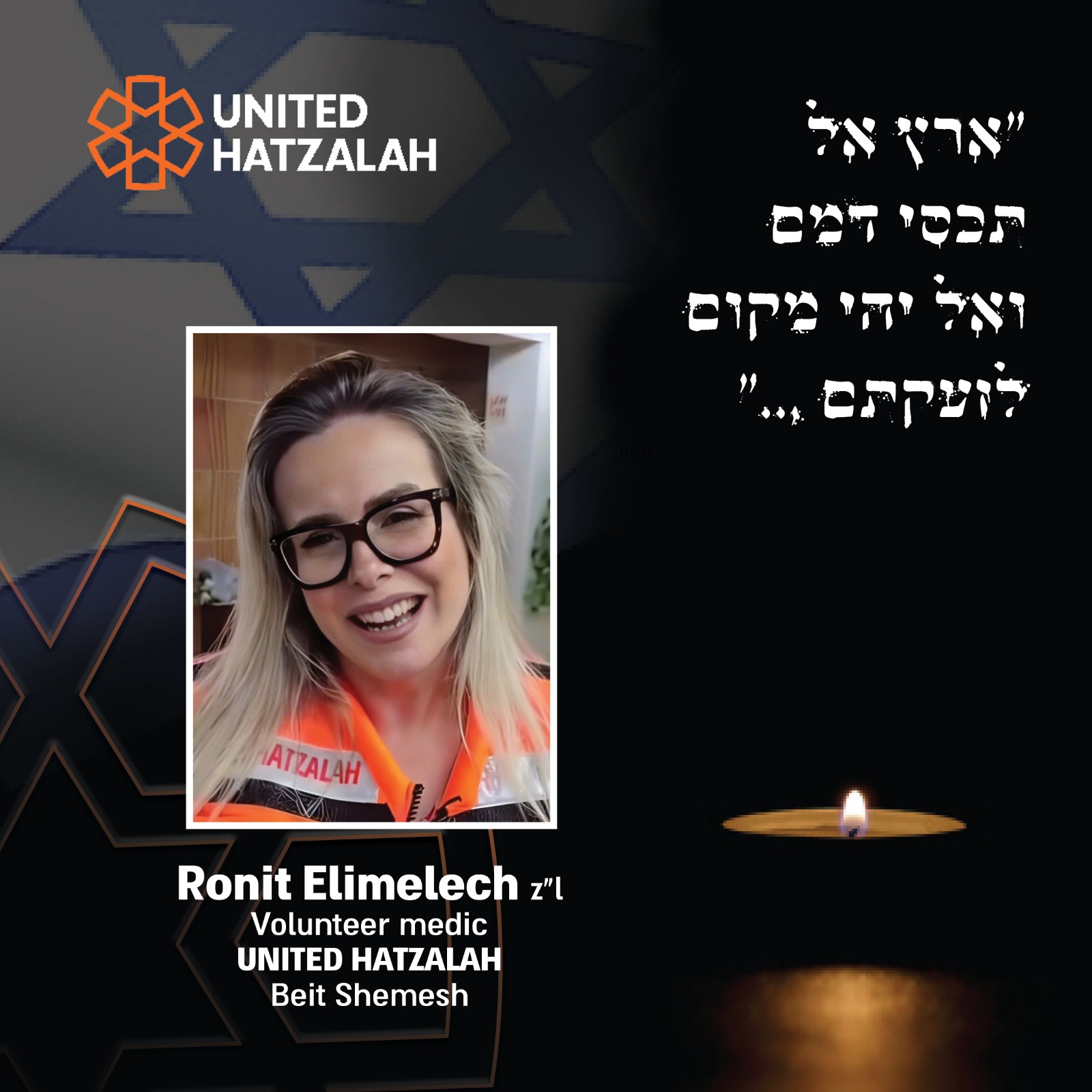
On the night following her funeral, a group of women medics within United Hatzalah chose to honor her memory in the most meaningful way they knew how. They volunteered to take on a special night shift, answering emergency calls for help.
Throughout the night, the calls continued to arrive. Some were related to the ongoing war. Others were the everyday emergencies that never cease even during conflict: medical distress, injuries, and labor and delivery calls. All were urgent pleas from people across the country in need of assistance.
For these women, the shift was not merely a tribute. It was a statement of purpose. Ronit had dedicated her life to answering the call of others, and they intended to continue doing the same.
Women Responding in a Time of War
The Heroines in Orange arrive at some of the most chaotic scenes ready to treat and stabilize patients. They reassure frightened families in shelters and safe rooms. They help small children and elderly residents cope with anxiety and shock after the wail of sirens fades. In many cases, they are the first calm voice and steady presence that injured or frightened people encounter.
Their commitment is particularly striking given the reality that many of them are responding while their own families remain under the same threat of incoming missiles. The decision to volunteer under such conditions reflects a profound sense of responsibility toward the broader community.
A Month Dedicated to Women Bravery and Accomplishments
The stories of these volunteers carry added resonance during the month of March.
March is recognized around the world as Women’s History Month, a time dedicated to honoring the achievements, struggles, and contributions of women throughout history. It is an opportunity to recognize the countless ways women have shaped societies, communities, and movements for justice and equality.
In this war against Iran, a place where women are marginalized and persecuted, the women of United Hatzalah present a striking contrast of freedom, dedication, and leadership.
Their stories may not always appear in headlines. Their names may not always be widely known. But across Israel, in cities, towns, and neighborhoods where sirens echo and help is needed, the Heroines in Orange will be there to answer the call.