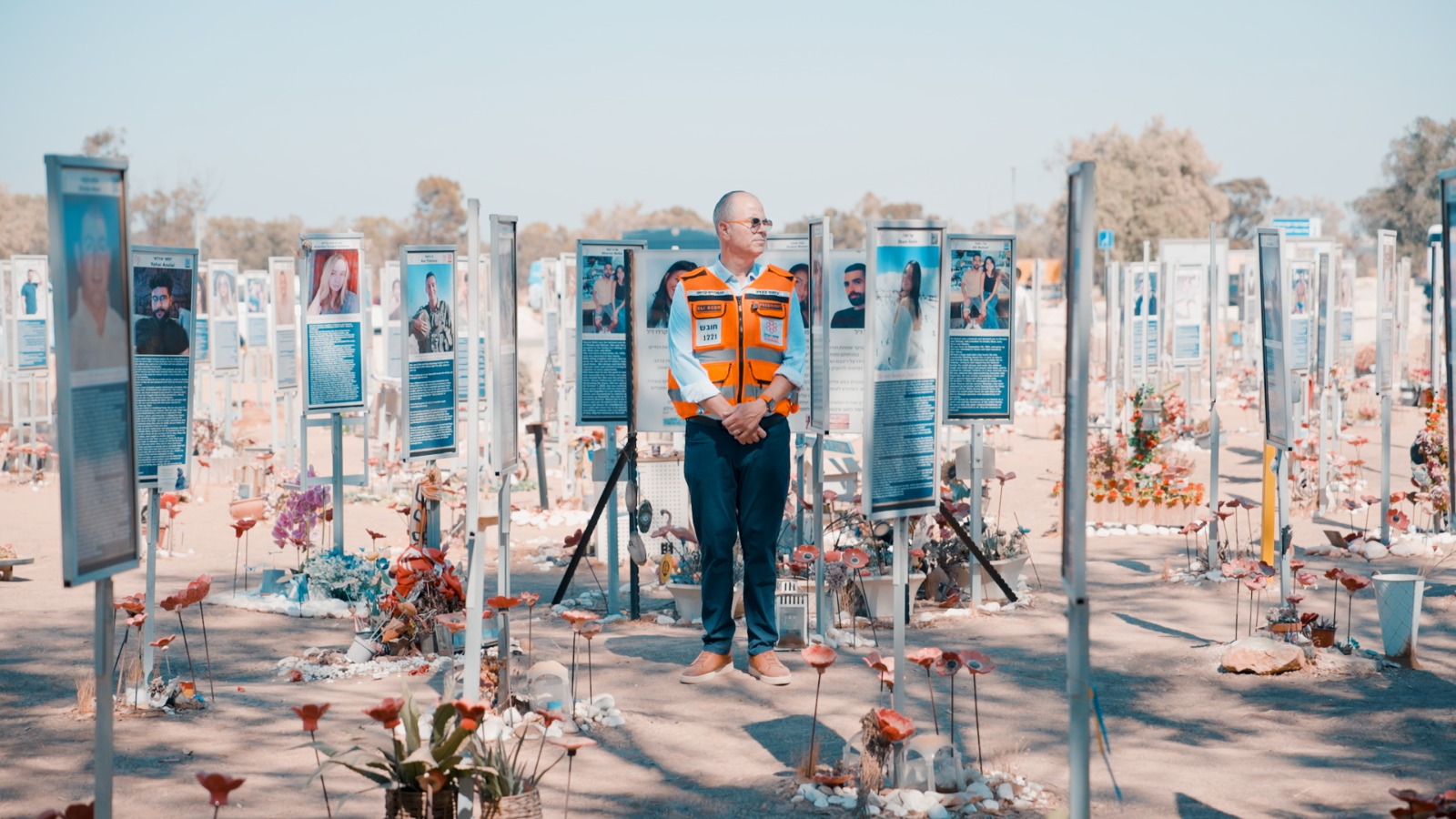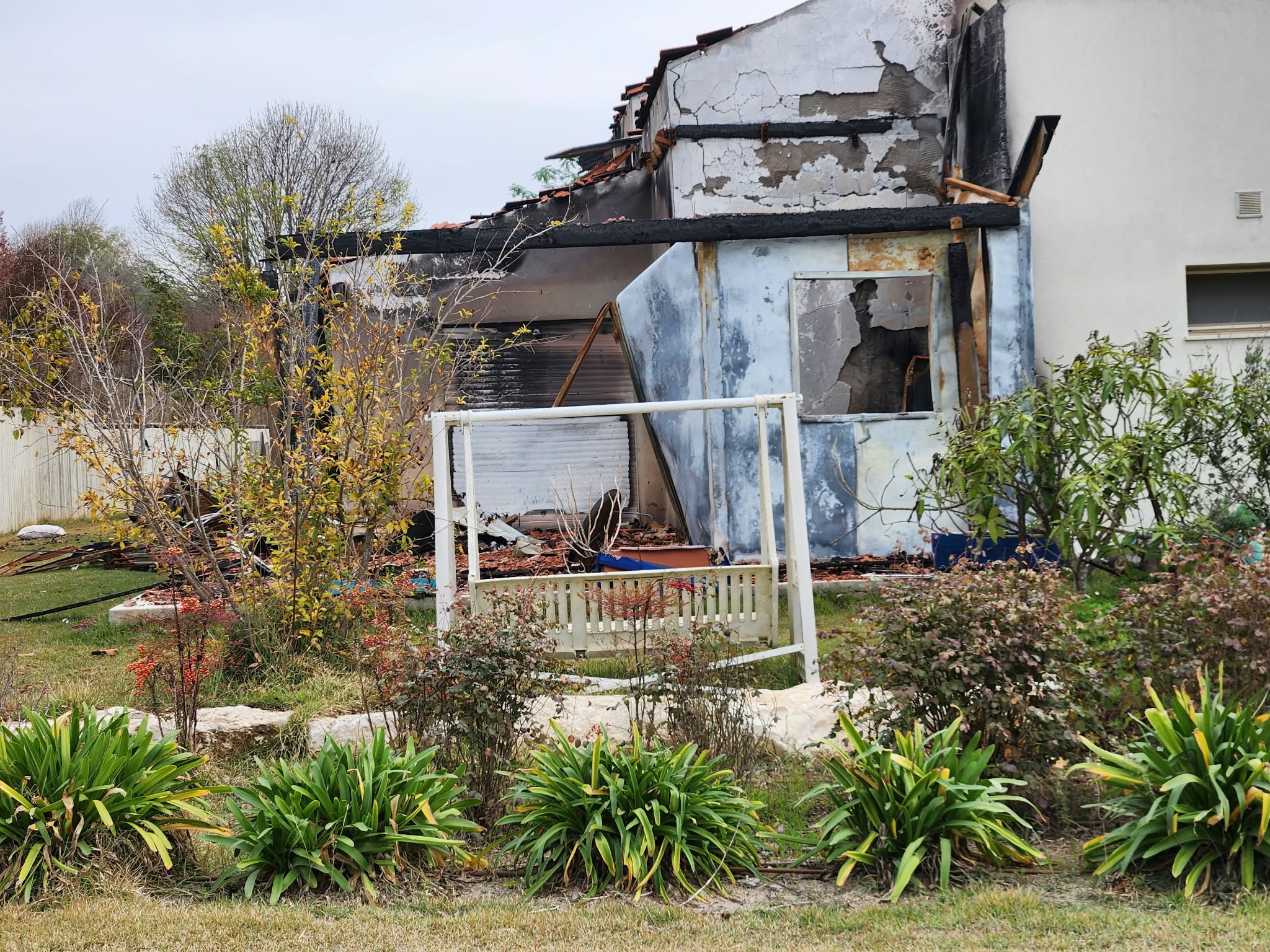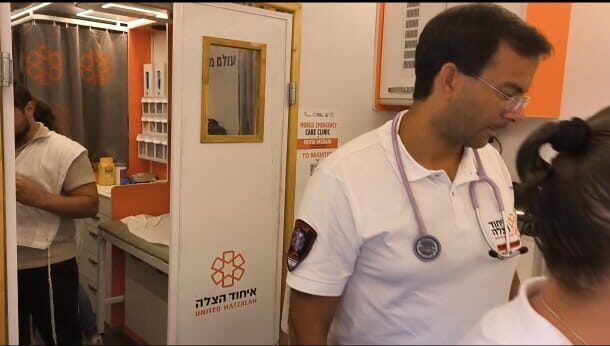


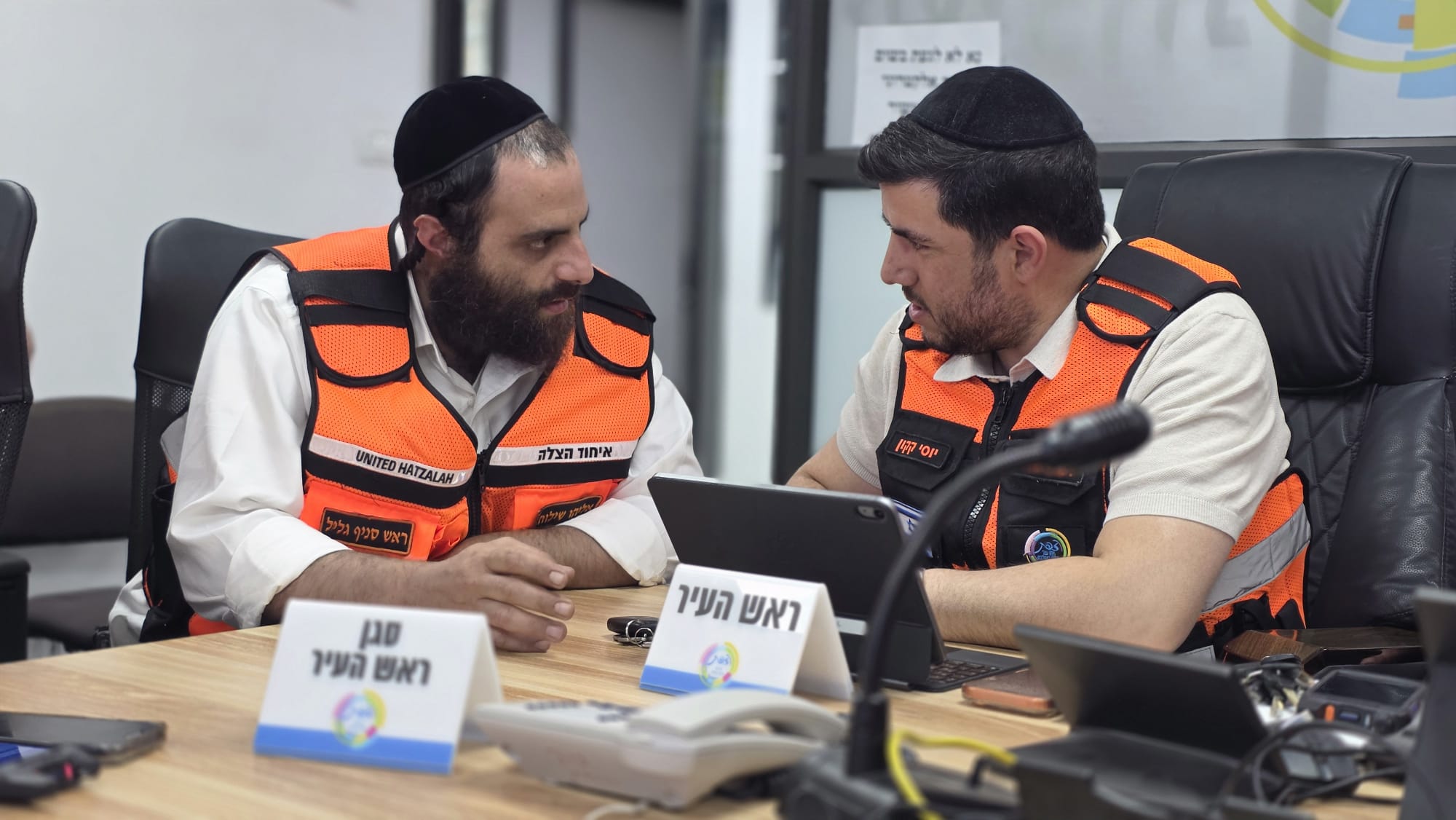
As renewed hostilities between Israel and Iran place civilians across Israel under threat, United Hatzalah has mobilized its nationwide emergency medical network and Psychotrauma and Crisis Response Unit to respond to both physical injuries and emotional trauma sustained during missile alerts and at impact sites.
Even before the first reports of escalation with Iran, United Hatzalah’s 8,600 volunteer medics were already positioned to respond to emergencies across the country through the organization’s fleet of ambucycles, ambucars, ambubikes and ambulances. While physical injuries from direct impacts have reportedly been limited, emergency services continue to treat people suffering from minor injuries, including those sustained while seeking shelter, as well as individuals experiencing acute anxiety and emotional distress.
“At times like these, safety of our volunteers and our response times equally matter,” United Hatzalah Founder and President Eli Beer said. “Our volunteers are on alert across Israel, fully equipped with personal protective gear and medical supplies, are ready to respond to any report of injury, emotional shock, or medical emergency. Whether the emergency is a cardiac arrest, allergic reaction, or an injury caused by missile fragments or shrapnel, United Hatzalah is prepared to reach people quickly and provide immediate care.”
Treating the Wounds Seen and Unseen
The nation woke up once again to the sound of sirens wailing across Israel. Even when missiles are intercepted and direct impacts are limited, the effects of prolonged war and repeated alerts at all hours of the day and night take a serious toll on the population.
United Hatzalah has reinforced the readiness of its Psychotrauma and Crisis Response Unit, which addresses the emotional needs of people exposed to traumatic events and helps stabilize those suffering from shock, panic, acute stress and anxiety.
“During missile attacks, the psychological toll can be immediate and severe,” said a United Hatzalah Psychotrauma first responder. “Children may freeze or panic when sirens sound. Elderly residents may struggle to reach shelters. Parents are faced with the challenge of moving children into protected spaces and shelters within seconds, to say nothing of the large and echoing sound of explosions overhead from missile interceptions and falling debris. Collectively we are on constant alert and this can create widespread emotional distress. We are here to respond to and address all of these scenarios.”
Emergency Response Beyond the Impact Site
The current escalation has once again highlighted a central challenge facing emergency medical responders in Israel. United Hatzalah’s leadership and operational teams are in ongoing contact with relevant Israeli authorities to help ensure public safety and maintain readiness wherever emergency medical support may be needed.
Public Safety Also Lies in Your Hands
United Hatzalah is urging the public to continue following Home Front Command instructions and to enter protected spaces immediately when alerts are issued. Civilians should go to a secure space according to the time available in their area and remain there until official guidance permits them to leave.
The organization also reminds the public that preparedness saves lives. Residents are encouraged to keep access routes to shelters clear, check on elderly neighbors and people with disabilities, keep shoes and essential medications nearby, and avoid rushing in a way that could cause additional injuries.
“Remaining calm and following official instructions is a lifesaving act,” Beer concludes. “Our volunteers are ready, but public discipline and preparedness are the first layer of protection.”