In emergency medicine, speed matters. But it is not always how quickly someone can get to the hospital that matters most. Sometimes, the most important decision is determining what can be done for a patient right now.
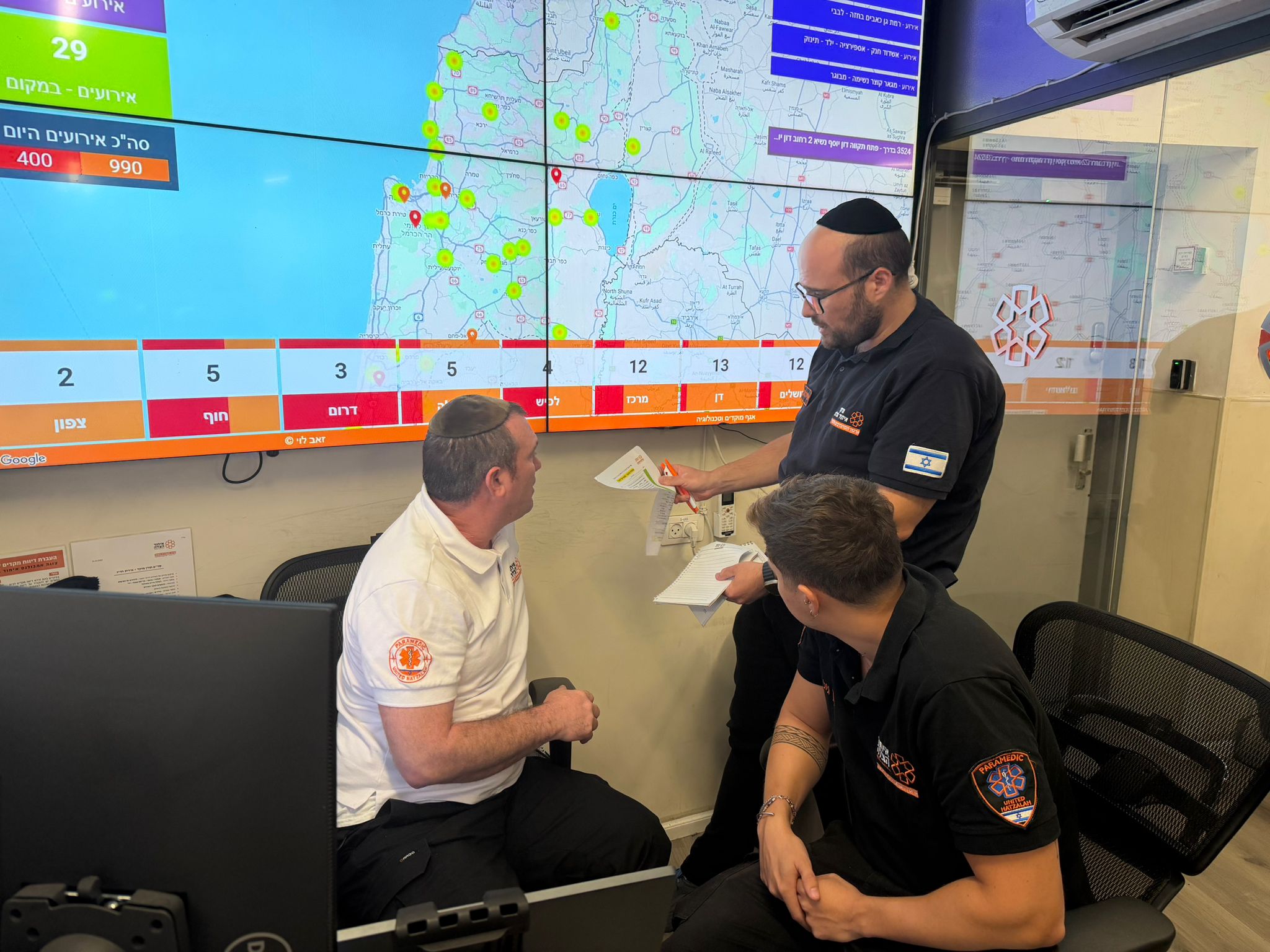
A recent call to United Hatzalah’s National Dispatch Center demonstrated how quick access to the right medical expertise can change the course of an emergency.
A United Hatzalah volunteer who responded to the home of a pregnant woman with diabetes contacted the Dispatch Center after encountering a complicated situation. The patient was presenting with abnormal vital signs but did not want to be transported to the hospital. For the first responder at the scene, the question was what to do next.
Medical protocols surrounding pregnancy, diabetes and abnormal clinical findings are understandably cautious.
The dispatcher immediately transferred the case to an appropriate United Hatzalah medical professional who could advise the first responder on the best course of treatment.
Additional information was gathered from the volunteer at the scene and relayed to the medical advisor. Within 45 seconds, a physician was able to evaluate the situation and help determine a safe course of action.
The physician reviewed the patient’s condition, the medical findings and the circumstances of the case. Following the consultation, it was determined that the woman could safely continue her treatment and follow up through community medical care rather than being transported to the emergency room.
For the patient, that decision meant avoiding an unnecessary trip to the hospital and potentially hours of waiting in an emergency department. But even more importantly, the decision was not based simply on her reluctance to be transported or on the judgment of a responder working alone in the field.
For United Hatzalah, the case highlights an important part of emergency medicine that often takes place far from public view.
When a United Hatzalah first responder reaches the scene of an emergency, that responder is not operating in isolation. Behind every medic is a network of medical professionals who can be called upon at a moment’s notice to provide clinical guidance and, when necessary, connect those in the field with physicians and specialists.
Technology makes that connection even more immediate. United Hatzalah medics can connect by video with the National Dispatch Center through a dedicated link sent directly to the medic or patient.
With the click of a button, medical professionals can see the situation unfold in real time and provide additional guidance to those at the scene.
This capability adds another layer of medical support to the care already being provided by United Hatzalah’s dedicated and highly trained first responders.
Every emergency is unique, and first responders are often faced with difficult questions about the best and safest course of action. Thanks to dedicated volunteers, advanced technology, and a commitment to providing the best possible medical care, United Hatzalah responders have access to a network of resources and medical professionals who can help provide the right answer, often in under a minute.