The Scene Was Already Moving
At around 10:40 in the morning, I was in a meeting in Karnei Shomron when the alert came in.
Alert: Serious shooting attack at a gas station near the entrance to Kochav Yair.
As a United Hatzalah paramedic, there are moments when your body reacts before your mind has the time to fully process what is happening. The location was only a few minutes away. I was on the way even before I knew exactly what had happened.
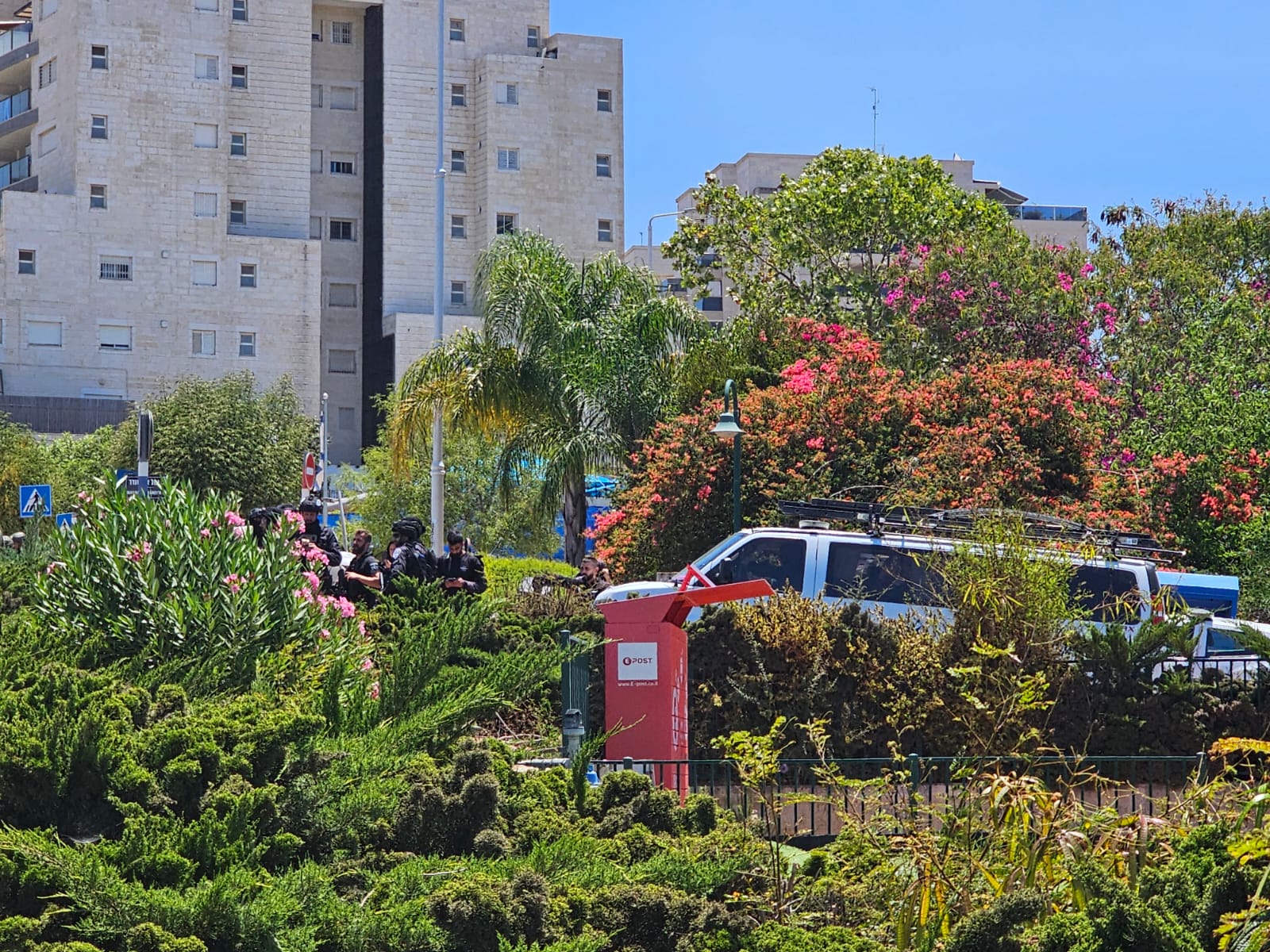
Even when I got to the seen, there was chaos. That is often the most difficult part of the first few minutes after an attack. You know there are wounded. You know people need help. But you do not know what exactly happened or whether the danger is over.
Security forces were operating in the area. Police, military personnel, rescue teams, EMTs, paramedics and other emergency responders were all working at once. United Hatzalah volunteers were arriving, more and more each time I turned around. Each of the medics made their way over to where there were wounded. Assessing injuries, bringing equipment, opening medic bags, and getting the patients ready for transport to the hospital.
Soon we started to hear that there were additional locations involved, and that changed everything. When an incident spreads across several scenes, you cannot look only at the patient in front of you. You have to constantly reassess the entire picture. Where are the most critically injured? Which teams are in each scene? What equipment do we have in the area and is available? But most important, are we all safe?
The information continued to develop as we worked.
Tragically, one person was killed in the attack. Five others were injured, with wounds ranging from mild to serious.
Every casualty mattered. Every minute precious to those who were wounded.
Our priority was to provide immediate medical care, stabilize the wounded, and assist in their evacuation while working alongside the police, military and other rescue forces. In those moments, there is no room for ego and no time for confusion. Everyone has a role. Everyone has to understand the larger mission.
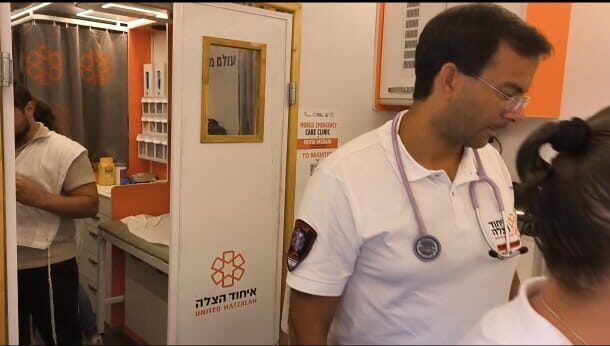
That is what United Hatzalah is built for. We are often nearby when the emergency happens. We come from meetings, homes, workplaces, schools and errands. We arrive with medical equipment, training and a deep sense of responsibility. We do not wait for the scene to become organized before beginning to save lives. We enter the uncertainty and begin creating order.
There is always a moment after an incident like this when the intensity begins to settle. The wounded have been evacuated. The security forces continue their work. The scene becomes quieter, but the weight of what happened remains.
That is what we are there to do.
To arrive quickly.
To bring order into chaos.
To treat the wounded while the scene is still unfolding.
And to stand ready, wherever we are, when the next call comes in.