The Brit She Didn’t Want to Miss
At United Hatzalah we’re used to emergency calls. Car accidents, falls, cardiac arrests, allergic reactions, and countless other crises that demand immediate response, day and night. But this call was about something different. It was about fulfilling someone’s final wish. A quiet, deeply human need to be present at her great grandson’s Brit.
While this didn’t involve a life-threatening emergency in the conventional sense, her distress was no less real.
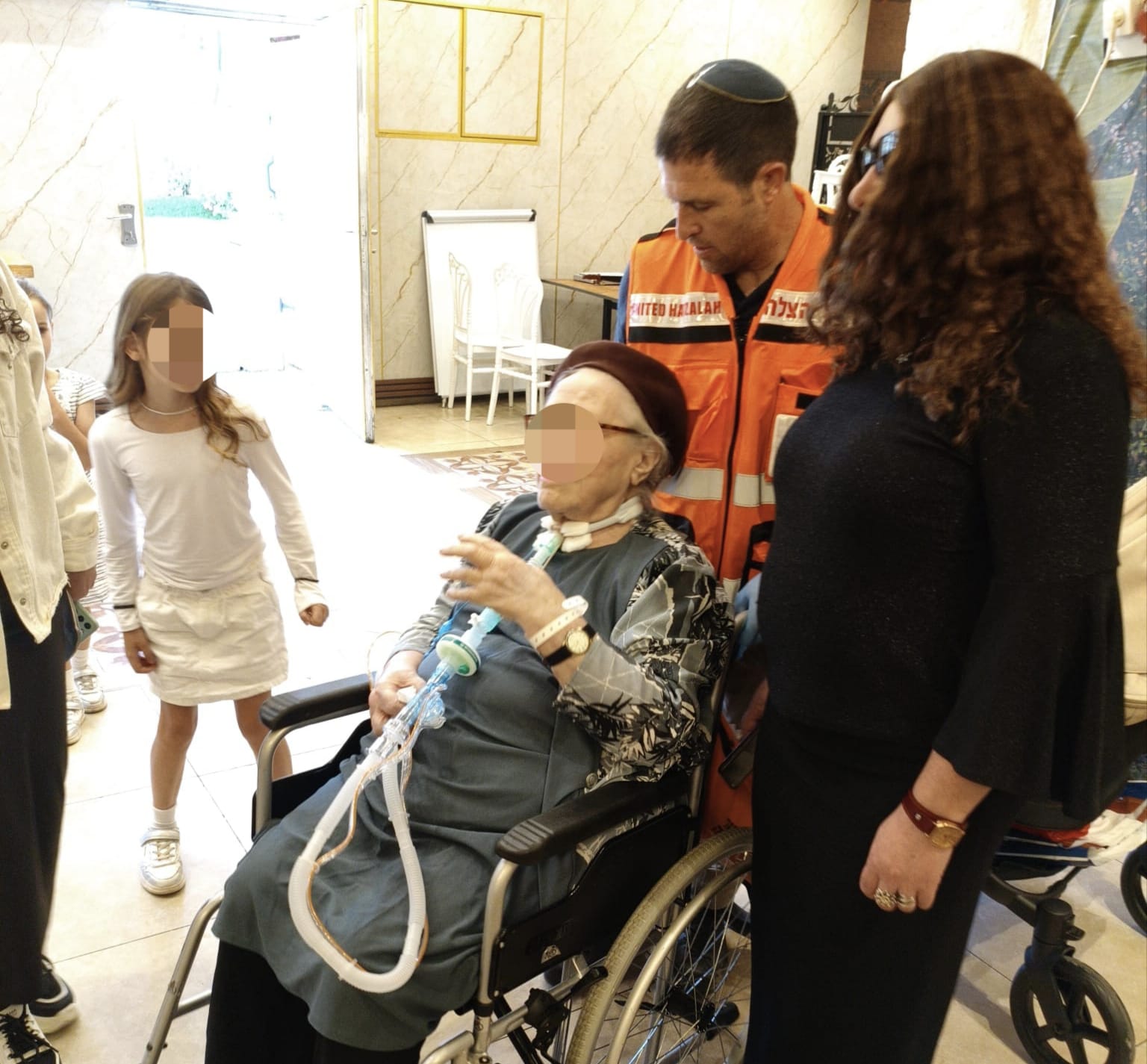
She was not in immediate danger, not in the way most patients we encounter are. But her condition was fragile. Homebound due to serious illness, she was dependent on a ventilator, fully conscious and aware, yet unable to go anywhere without advanced medical transport and continuous professional supervision.
She had reached out to other emergency medical services across Israel. Each time, she was turned away. The request, while emotionally urgent, did not meet the criteria of an emergency. With each refusal, hope began to fade. She came to terms with the reality that she would not be there.
The Brit of her great grandson would take place without her.
In a final attempt, she turned to United Hatzalah.
And we said yes.
Of all the milestones in Jewish life, a Brit stands apart. It is not only a ceremony, but a moment that binds generations. A child is welcomed into the covenant, often carrying the name and legacy of those who came before. It is the living embodiment of continuity. For her, this gathering carried even greater weight. It was, quite possibly, her last opportunity to see her entire family together. To look upon the future she had helped shape.
Within a remarkably short time, the team was mobilized.
An ambulance was secured. A senior medical crew assembled. Every piece of equipment prepared with precision. Every detail considered. This was not simply about transport. It was about ensuring that she could experience the moment safely, without compromising her condition.
As a paramedic, I had the privilege of leading this mission.
From the moment we arrived, our focus went beyond clinical care. Yes, we had all the monitors, the ventilator, the necessary medical apparatus were carefully positioned, present yet unobtrusive. But we had a second just as critical goal. The family.
And then we arrived st the brit.
What followed was something no protocol can capture. Children, grandchildren, and now a great grandson, together again. A full circle of life unfolding before her eyes. A moment she had, all but, thought impossible now a reality.
The gratitude expressed by the family was profound. But beyond the words, there was a deeper understanding. This was not simply a rescue mission completed. It was not just about bringing one person from one place to another.
It was about dignity. About compassion. About recognizing that saving a life is not measured solely in seconds or interventions, but in the moments that give that life meaning.
This is the essence of what we do.
Not every call needs an emergency. Some just require a special wish and a loving family get together.