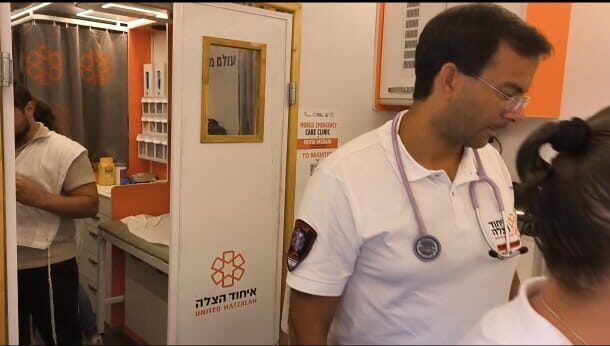


As Jews and non-Jews around the world observe Yom HaShoah, Israel’s Holocaust Remembrance Day, our collective memory turns to the countless stories of the Jews of Europe and North Africa who were hunted and nearly exterminated by Nazi Germany during World War II. The siren that brings an entire country to a standstill is but one expression of remembrance. At United Hatzalah, that moment is not only one of reflection, but of responsibility. Today, our dedicated volunteers stand on the front lines of emergency response across Israel, while also serving as a living bridge between past and present. Through initiatives such as Ten Kavod, United Hatzalah provides critical care to the last living witnesses of the Holocaust. As our volunteers tend to their needs, they also bear witness to stories of loss, endurance, and survival, accounts that often exist beyond the written record. In doing so, they become part of the fabric of remembrance itself, carrying forward the fragile yet enduring flame of memory.
This is not the only connection between United Hatzalah and the Holocaust. This two-part series seeks to explore that relationship, not as a symbolic gesture, but as a living commitment to the past and a promise for the future. The ethos that drives United Hatzalah is rooted in a long tradition of responsibility, compassion, and action, values that emerged with profound clarity even in the darkest chapters of Jewish history. From quiet, personal acts of care to extraordinary efforts to sustain life against impossible odds, there exists a thread that leads directly into the mission of United Hatzalah today. It is a legacy not claimed lightly, but one we are determined to honor and carry forward.
Part I: An Ambulance that Carried Rescued the Living Dead
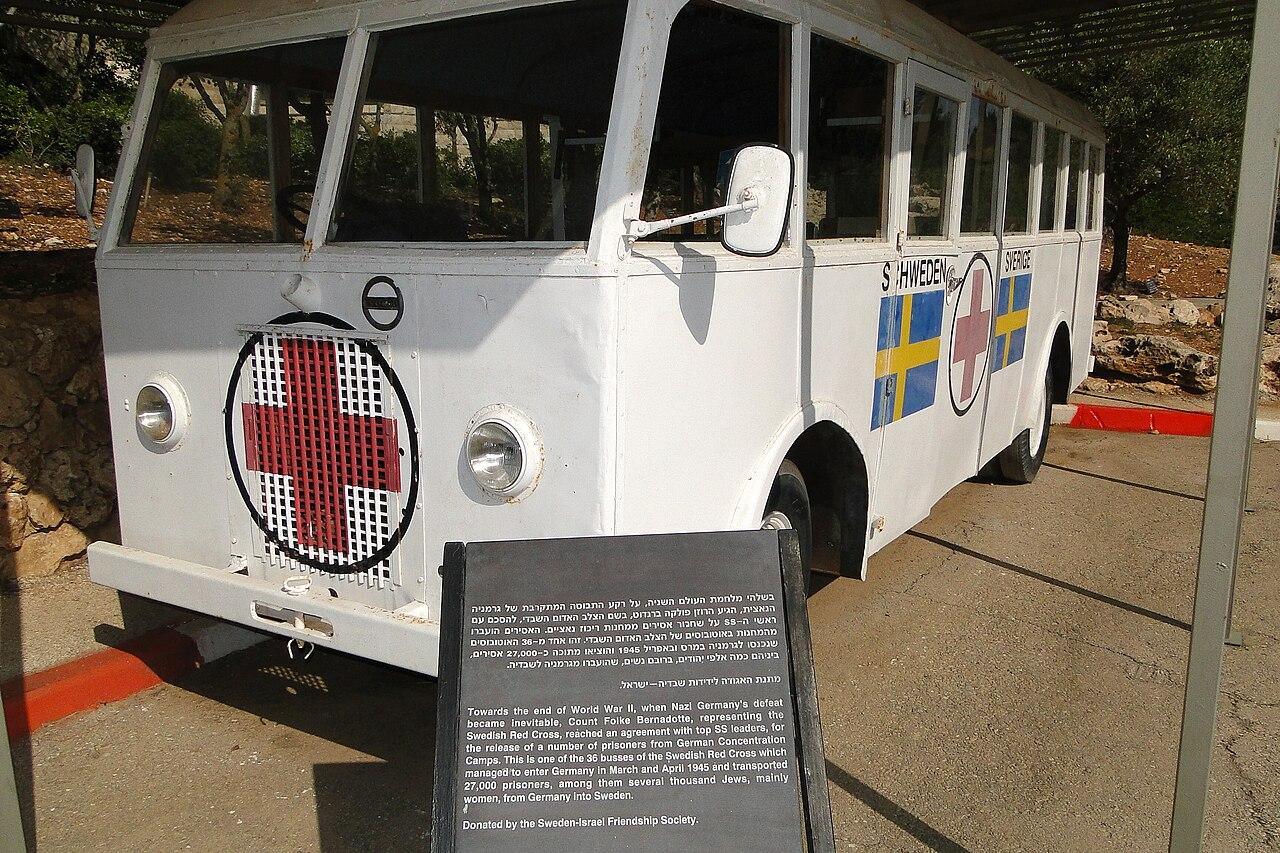
On the Mount of Remembrance at Yad Vashem stands an ambulance unlike any other. It did not respond to routine emergencies. Instead, it played a role in one of the final efforts to pull life back from the brink of destruction, evacuating critically ill survivors from the concentration camps of Nazi Europe.
It is known as the “Swedish Bus,” one vehicle in a small fleet that operated in the final months of World War II as part of what became known as the White Buses rescue mission. In the spring of 1945, as Nazi Germany collapsed, Count Folke Bernadotte of the Swedish Red Cross negotiated access to concentration camps, securing permission to evacuate critically ill concentration camp prisoners to convalescent homes and hospitals, many of the Jewish.
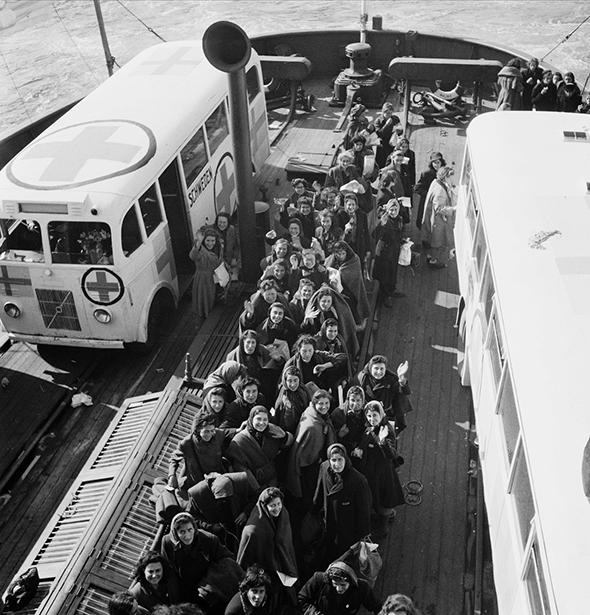
The buses were painted white and marked with red crosses, a fragile assertion of neutrality in a landscape where humanity itself had all but collapsed. They entered places the world had largely abandoned.
Over the course of those final weeks, more than 15,000 prisoners were transported out of the camps. Many were barely alive. Starved. Diseased. Reduced to shadows of themselves. These buses were not simply vehicles. They were lifelines.
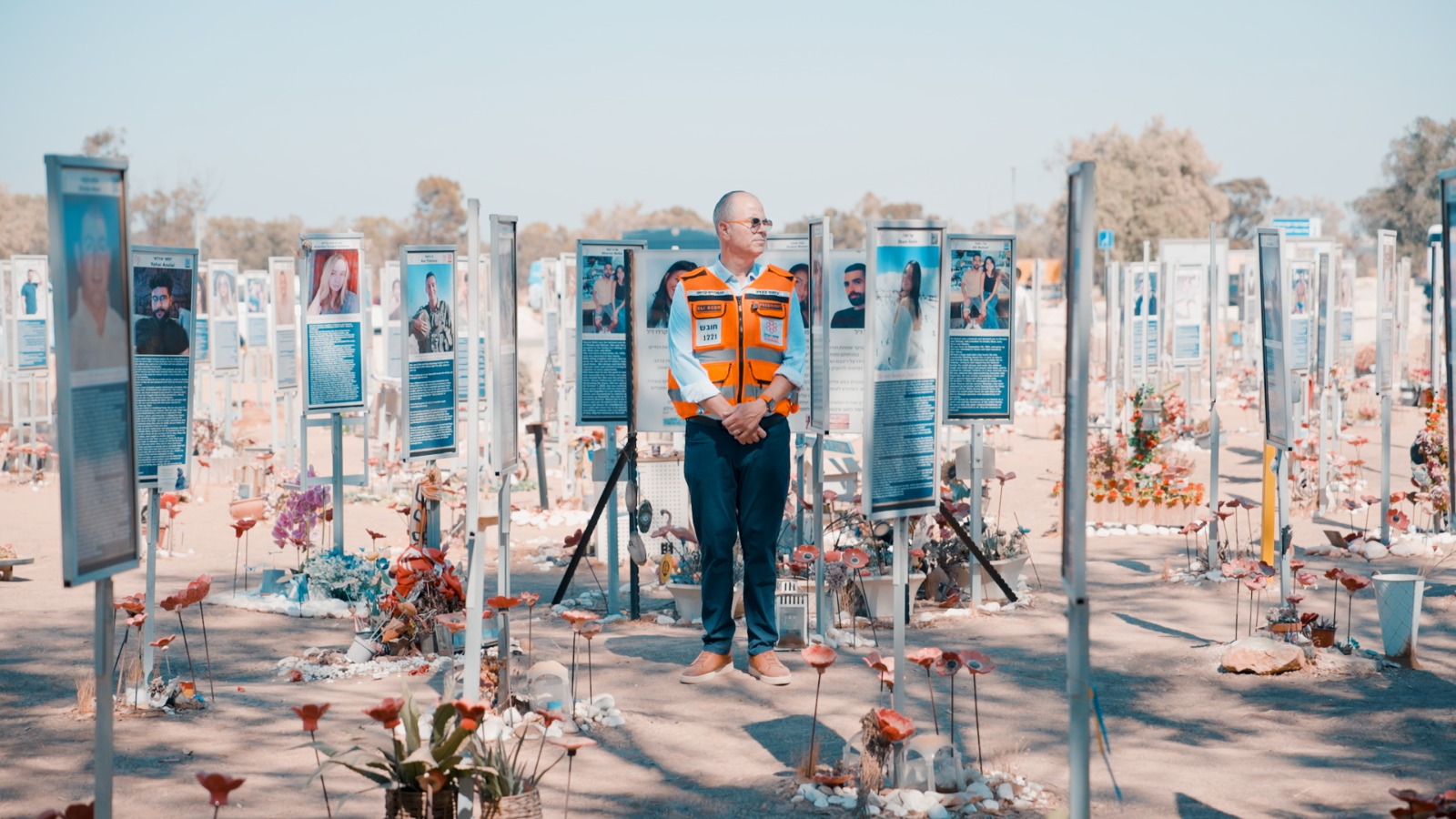
That instinct, the refusal to turn away from the inferno, echoes today in the hearts of the men and women of United Hatzalah. Every day, across Israel, volunteers in orange vests run toward crisis. They move into uncertainty and danger, whether responding to missile strikes, cardiac arrests, or roadside accidents, driven by a singular commitment to protect and preserve human life.
The White Bus Ambulance belongs to memory, just as United Hatzalah’s ambulances, Ambucycles, Ambuscooter, and other emergency vehicles belong to the present. Yet both are guided by the same moral clarity: when life hangs in the balance, you respond.
For far too many of the Jews of Europe, that response came too late. But the obligation it represents endures.