

Pesach Emergency in Bulgaria
There is a certain ease to celebrating Pesach away from home. There is no traditional spring cleaning, no kashering of the kitchen. Instead, there is an almost unfamiliar sense of calm that accompanies a holiday rooted in slavery.
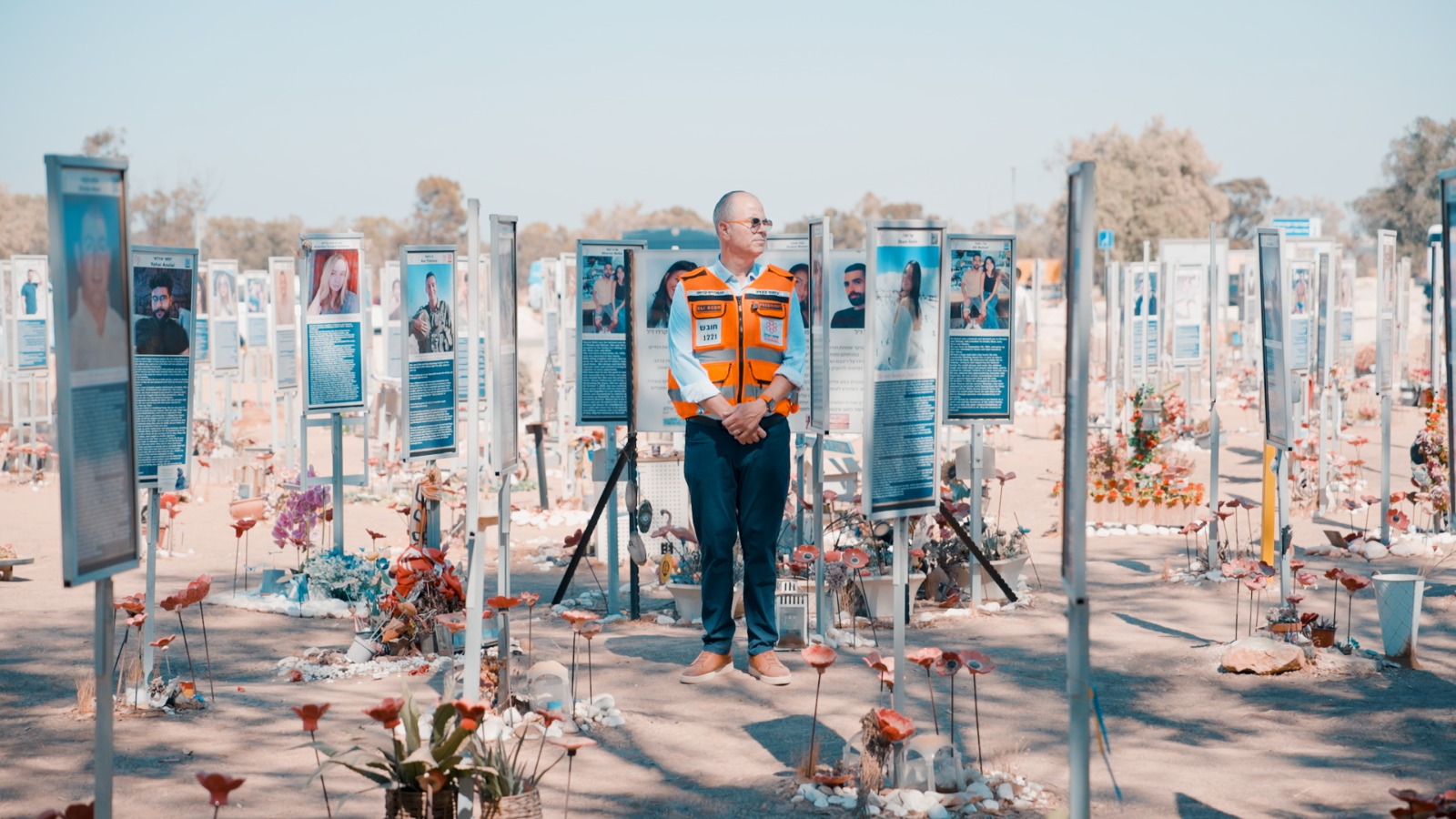
This year, my family and I found ourselves in Bulgaria for the Chag. We packed up all the comforts of home. Familiar foods, the small necessities that make Pesach feel like Pesach. And one additional item, my orange vest. As the saying goes; ‘never leave home without it’.
For me, the orange vest is not just a physical garment. It is a state of mind.
For a few brief hours, I allowed myself to imagine putting it away. To be present with my children. To celebrate the holiday free of dispatch calls or sirens. But there is another saying we know well: ‘man plans, and G-d laughs.’
That’s when the phone rang.
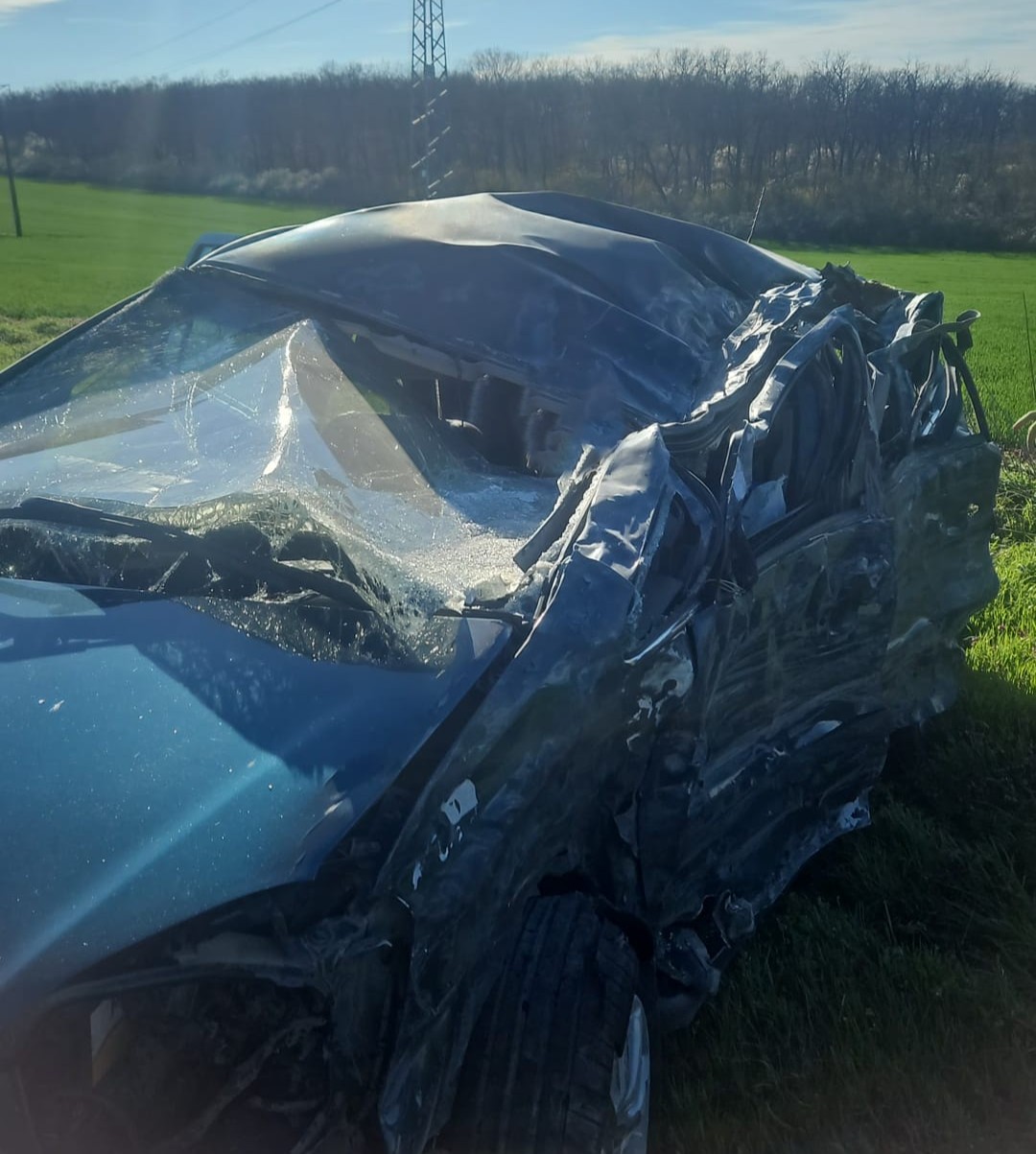
The details came in fragments. A serious car accident involving Israelis in Bulgaria. A family in need. A Jewish woman, killed and several others, injured.
In an instant, the vest was no longer in the cupboard.
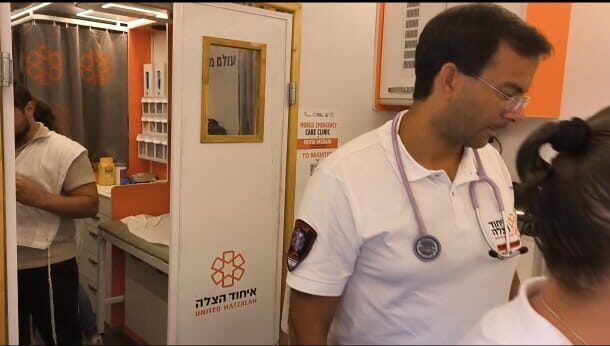
One moment you are preparing for the holiday and the next, you are on the move to an emergency. There is no deliberation. No hesitation. Just action. This is what United Hatzalah first responders do.
When I arrived at the hospital, the families were already there.
Shock is too small a word for what filled the room. The quiet anticipation of the holiday had been replaced by a heavy, unrelenting grief.
A Jewish woman had been killed in the crash. Her family now faced the unimaginable, navigating loss in a foreign country on the eve of a holiday defined by togetherness.
There are moments when the role of a first responder extends far beyond medicine. This was one of them.
We began with the practical. That is always the first step.
Calls were made. Arrangements were set in motion. We coordinated with local authorities, ensuring that the dignity of the deceased would be preserved in accordance with Jewish law. And then came the harder part, helping a family begin to process what had happened. Trying, in some small way, to make sense of the senseless.
You cannot undo what has happened. You cannot restore what was lost. But you can stand beside people in the moment their world fractures, and make sure they are not alone.
At United Hatzalah, we often speak about response times. The goal of ninety seconds or less. It is a number we strive for, a measure of urgency and readiness. But sometimes, the response is not about seconds. Sometimes, it is about being in the right place, at the right moment, simply to answer the call.