Fragile Resilience
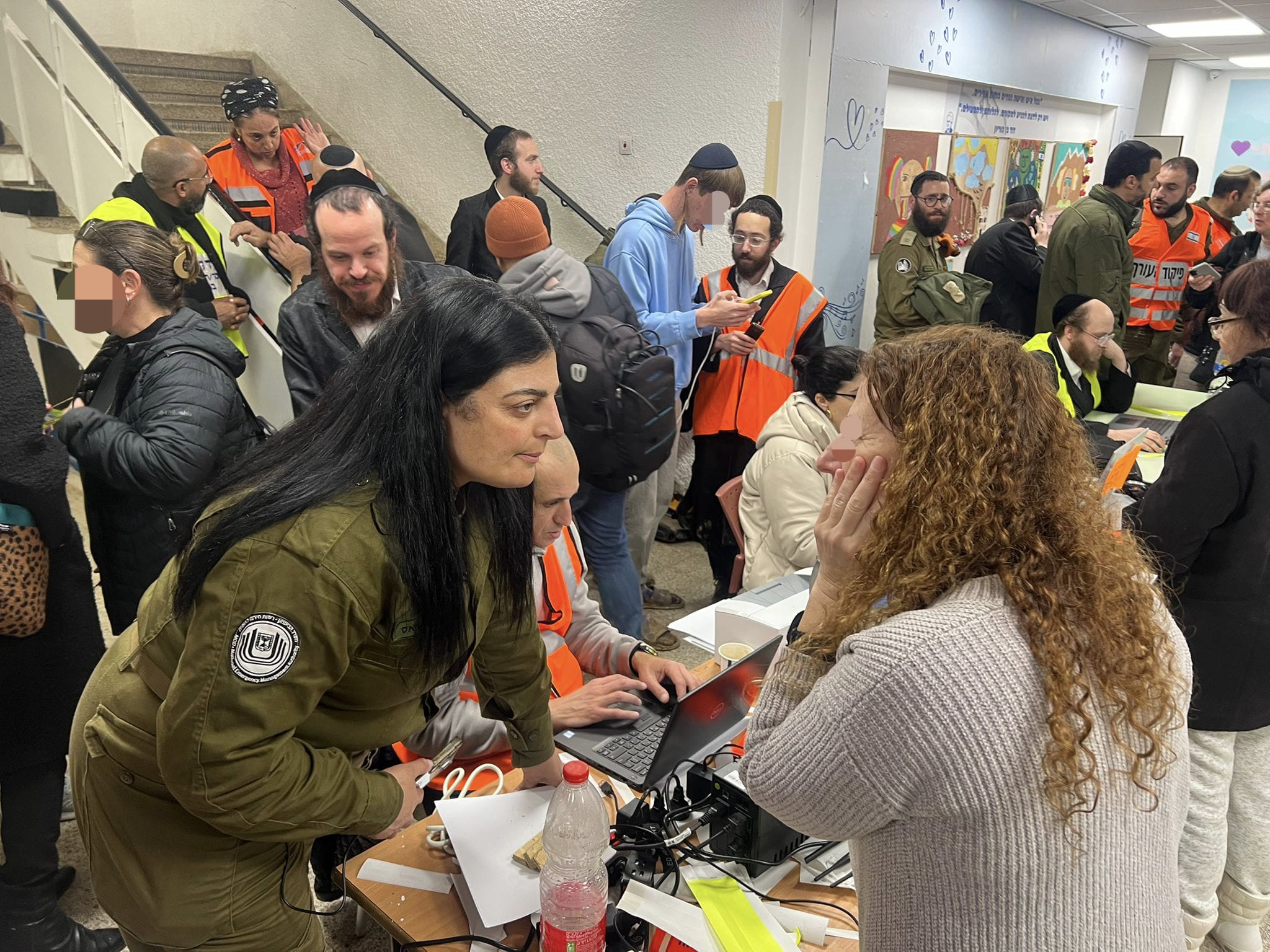
Since the outbreak of war a month ago, I have learned to measure time differently. Not by the clock, but by the space between sirens and emergency alerts. By those brief stretches that allow something resembling normal life to exist. By how quickly I can shift from one role to another. A mother. A soldier. A communications director. A first responder. Lately, those roles do not take turns; they overlap.
We are living in truly surreal times. War has been raging across Israel, and now Pesach is rapidly approaching. This time of year is usually marked by spring cleaning days, and instead, my home looks more like a college dorm room. My kids aren’t preparing the traditional Four Questions for the Seder; they are left wondering, when will I come home, am I safe, and when will this all end?
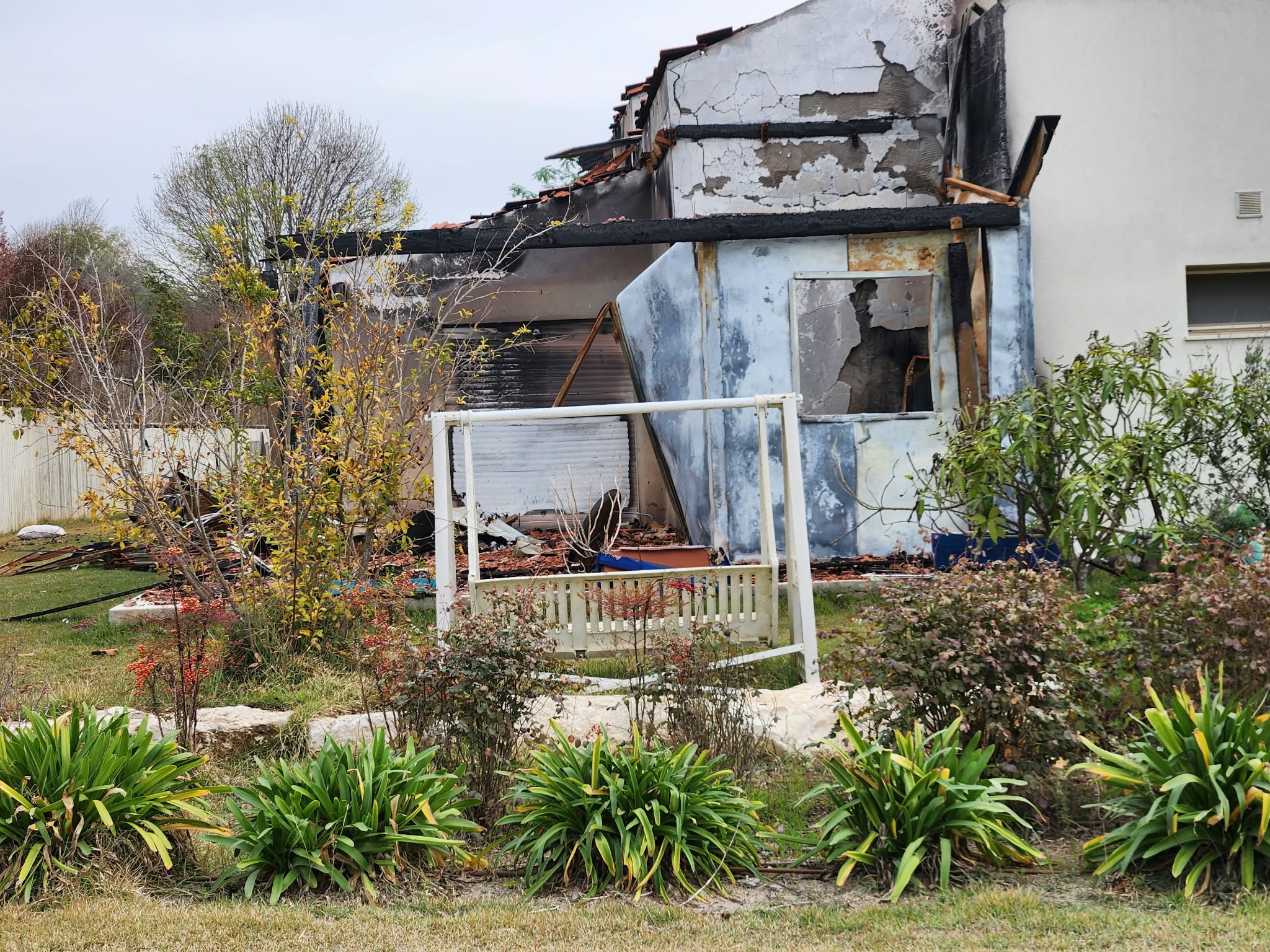
Then there is another Red Alert siren, and I am out the door, on the way to the next emergency.
This is not only my daily rhythm. It is the same for the entire country. For the past 24 days, we have all been left wondering, will there be school or no school. Work or no work. Moments of routine or moments of chaos. It is nearly impossible to plan a normal schedule these days.
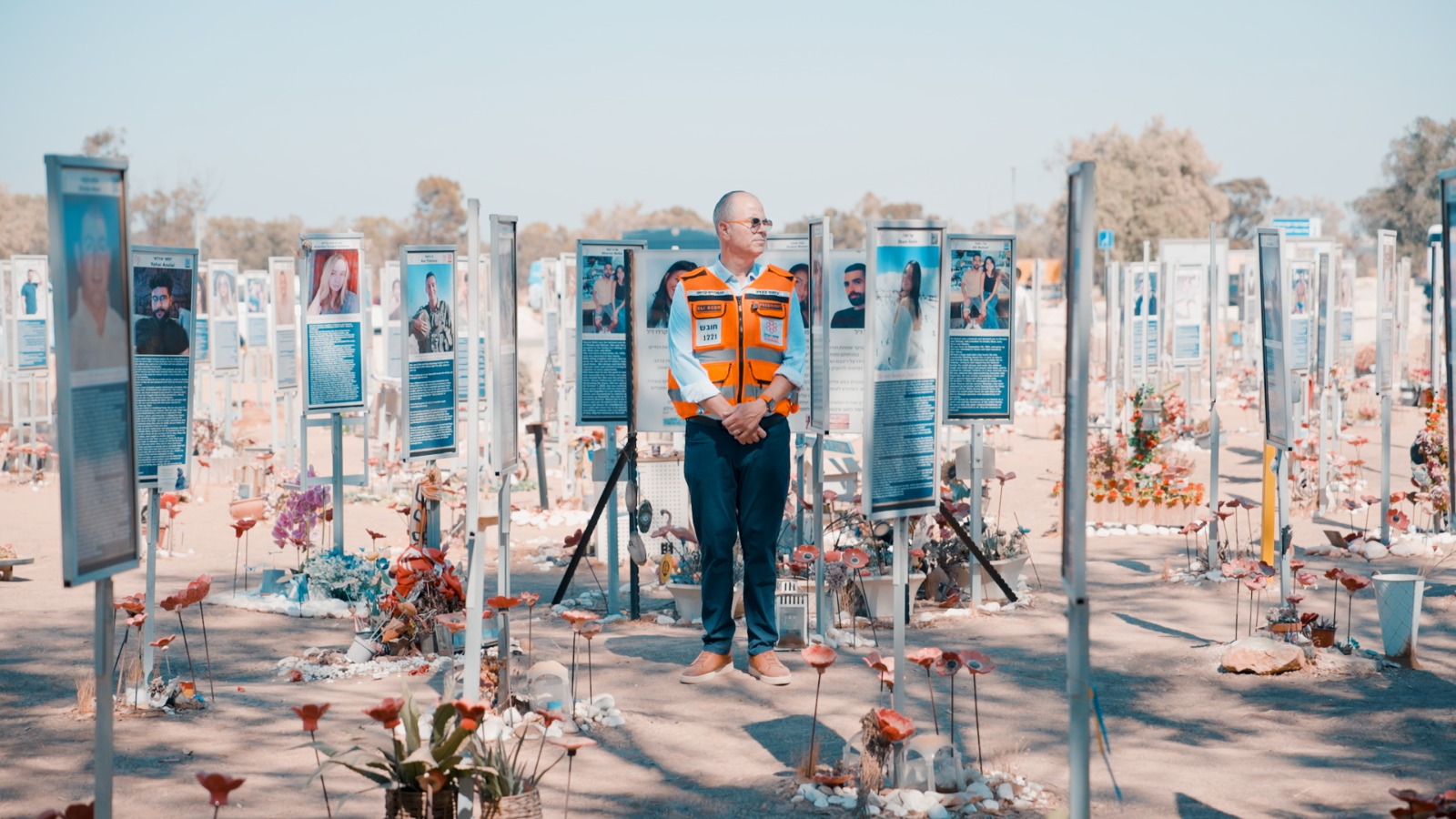
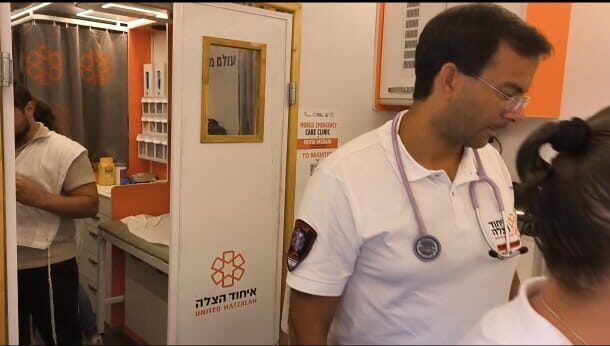
As a United Hatzalah volunteer, there is another layer to all of this. Between emergencies, there are drills. Training exercises. Refresher courses on how to operate under conditions that are far from ideal. We prepare for mass casualty incidents, for the very scenarios this war has created, so that we know what to do the next time a missile hits.
And then there is another Red Alert siren, and I am out the door, on the way to the next emergency.
I know our training matters. It not only gives us tools of what to do, we practice over and over so we don’t get it wrong. But the reality is, training does not prepare us for everything. It does not prepare you for the constant shifting between roles, for the mental strain of responding to missile impact sites day and night. It does not prepare you for the exhaustion we all experience at the end of a day that never really ended. And it does not prepare your family for what it means when you are constantly being pulled away.
And then there is another alert, and I am on my way again.
In Israel today, everyone speaks about resilience. It has become part of the language of daily life. Whether you wear an orange vest or not, there is an expectation to remain strong. For our families. For our communities. For our nation.
I believe in the principle; we all do. But what is less spoken about is how fragile that resilience can feel.
We are not machines. We carry so much baggage with us, especially throughout these past three weeks. We carry the weight of the scenes we respond to. We carry the tension of a country on edge. And at the same time, we try to give our families some sense of normalcy, especially now, as Pesach approaches.
We prepare, even if it’s not the way we normally do. We clean our homes and our hearts, even if it’s not the real spring-cleaning job we always do. We create moments of warmth, tradition, and continuity even if we cut corners along the way. And most importantly, we gather to sit around the Seder table to tell our nation’s story that has carried us through generations.
And then there is another alert, and I am gone again.
We all feel the strain between each of these forces that are pulling us along day to day. Between the urgency of constant emergencies and the life waiting at home. It is not easy. It is not balanced. But it is real.
And still, I would not trade it for any other life. This is not about the hard work. It is about life’s choices. A life built not only on what we receive, but on what we have to give. I feel so privileged to know that when someone needs, I am there to help. Yes, there are many moments of fear and pain, but I know I make a difference.
So, as Pesach approaches, perhaps I might need to buy a little more take-out or have one less treat around the Seder table. But we all need to be a little gentler on ourselves. To accept the disorder, in a similar way as our ancestors, on the eve of leaving Egypt, must have felt. I can only imagine that the Children of Israel were not standing around in perfect order when the Exodus arrived. They were living through uncertainty, through urgency, and through moments that had so much potential. And still, they moved forward together as one nation towards redemption.
This is our moment. This is our home. This is our story. A story of endurance, of faith, of continuing even when we feel stretched thin.
We all know that this year is not like all other years. But even in the midst of chaos, we can hold on to that fragile resilience; not because it is easy, but because it is ours.
And then there is another alert, and duty calls once again. And proudly I answer the call for I am a proud United Hatzalah first responder.