The First EpiPen Wasn’t Enough
It was an ordinary meal at home for one family until one simple mistake turned into a medical emergency.
The patient was an eight-year-old boy with a known sesame allergy. Shortly after he was accidentally exposed to tahini, his eyes became red and swollen. His complexion turned pale, and other familiar signs of a serious allergic reaction set things in motion. The boy’s parents immediately understood that something was wrong and called for help.
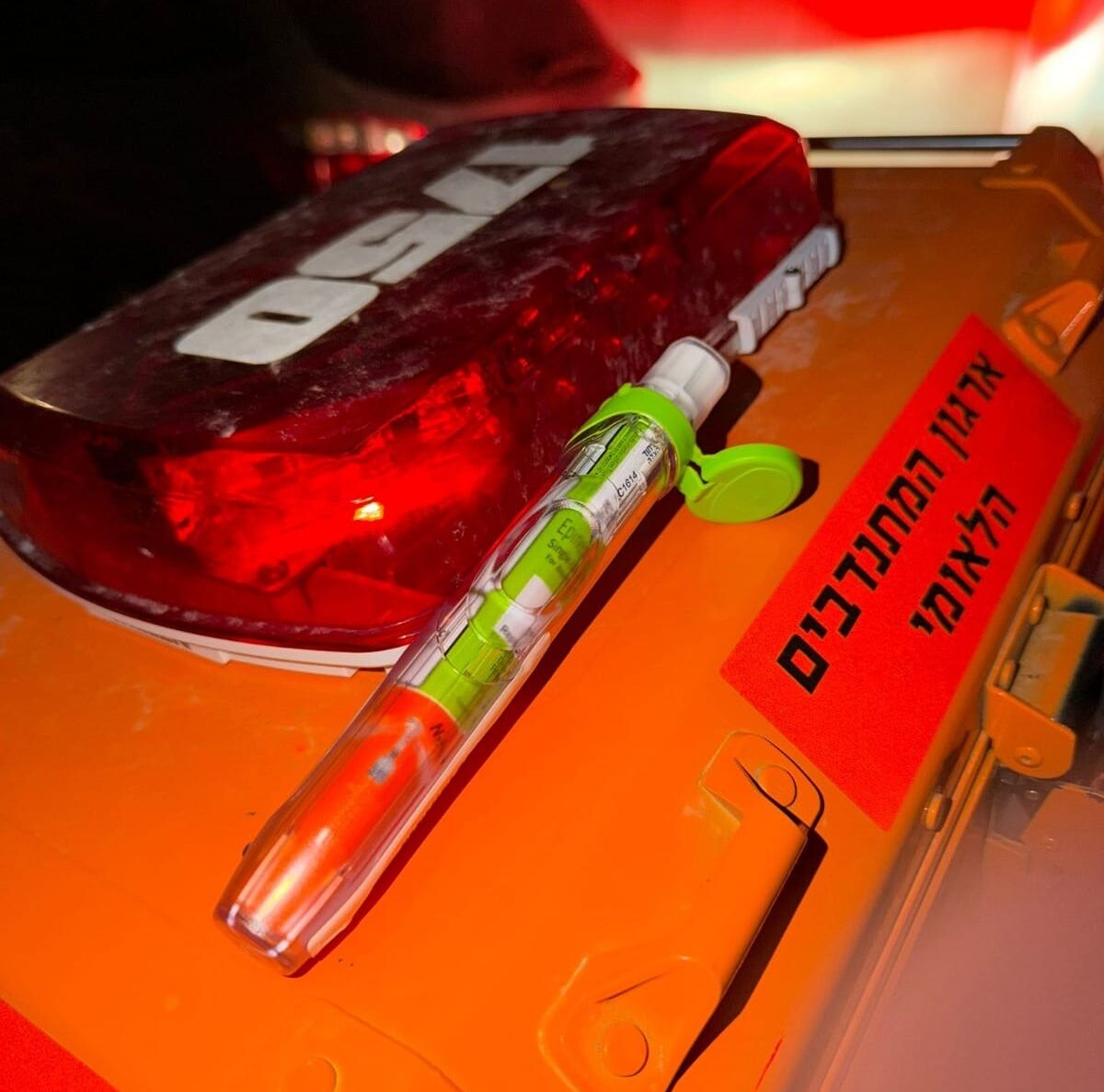
By the time I arrived, they had already administered an EpiPen.
Even after the medication was administered, the boy was still suffering from an anaphylactic reaction. I walked into the home and found the boy sitting in a chair. He was fully conscious and able to respond to me, but it was clear that he was not getting any better. His parents quickly explained his medical history and told me what had happened. They had recognized the symptoms, acted quickly, and given him the medication they had been instructed to use in precisely this type of emergency.
But the reaction was not subsiding.
That was the moment when I knew we needed to act again.
In severe allergic reactions, a patient’s condition can change rapidly. Even when someone is conscious and communicating, swelling and difficulty breathing can become dangerous very quickly. I administered a second EpiPen and continued assessing him closely.
Then, finally, we began to see a change.
His breathing became easier. The symptoms that had continued despite the first dose began to recede. There was still some wheezing when I listened to his breathing, so the emergency was not over, but the improvement was visible.
I checked his vital signs and continued monitoring him while we waited for the ambulance that would take him to the hospital for further evaluation and treatment.
There is something particularly frightening about allergic reactions because of how suddenly they can transform an otherwise ordinary moment. It took place at home, surrounded by his family. Everyone knew about the allergy. But even with all that information and preparedness, the one thing that saved their son was having an EpiPen available and, even more important, knowing how to use it.
I don’t want to think about what might have happened without either the tool or the knowledge. Thankfully, they had both.