

When Terror Attacks, We Respond
There are calls you respond to every day as a United Hatzalah volunteer. And then there are calls where, from the moment the alert appears, you know it will be different. Today, while driving on Highway 443, I got one of those calls.
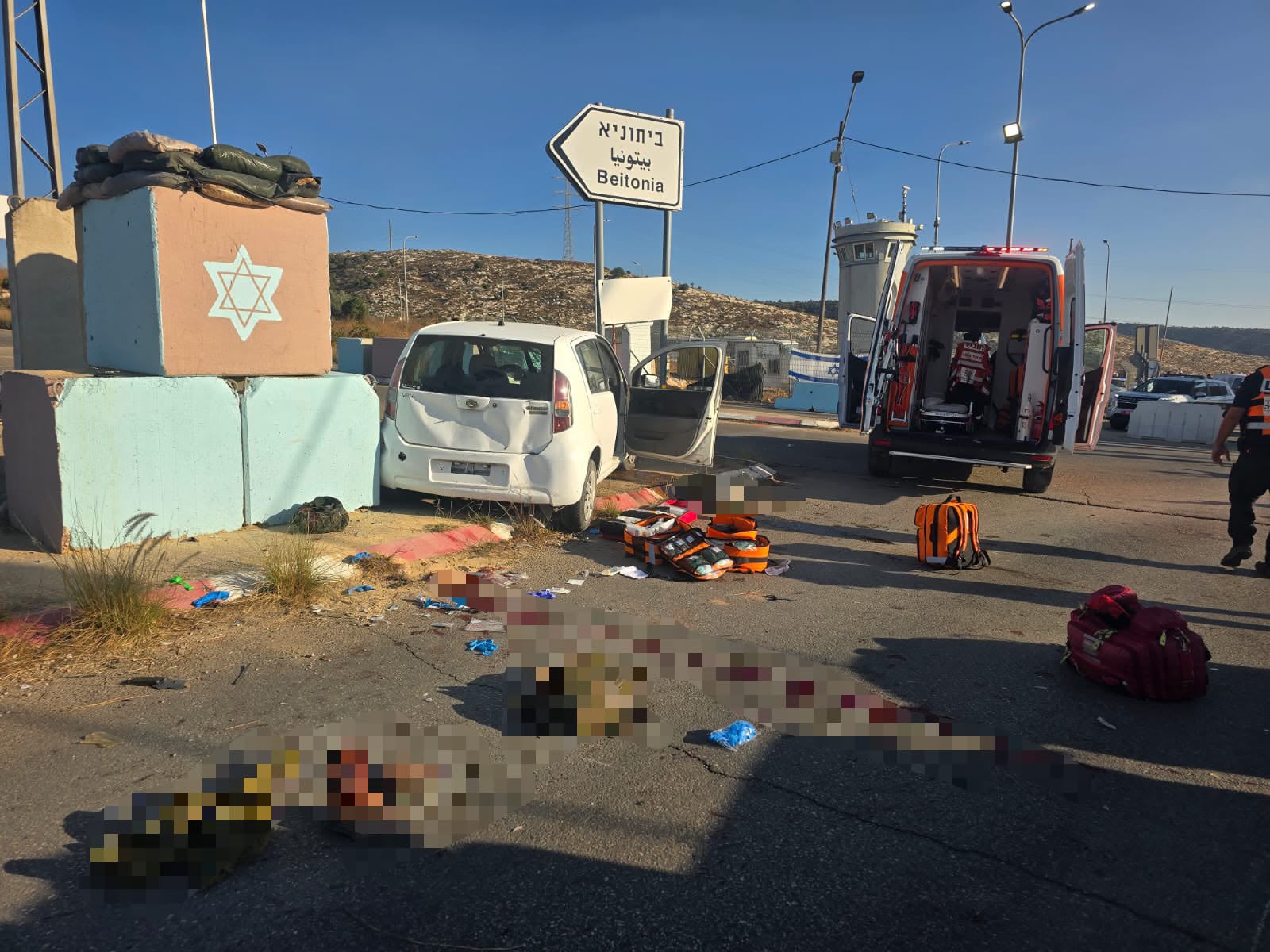
The Dispatch Center operator used words like car ramming, terror attack, and critically injured.
When you hear those words, there is no time to think about anything except getting there and helping whoever has been hurt. At the same time, you know you may be entering an active and dangerous scene.
A few minutes later, when I arrived at the junction just outside of Beit Horon, I saw United Hatzalah first responders already treating a seriously injured man together with IDF medical teams. My focus immediately went to helping them provide the necessary intensive treatment, including respiratory support, life-saving medication, bandaging, and immobilization before being evacuated in serious and unstable condition.
In those moments, everything around you becomes secondary.
The sirens. The soldiers. The security forces. The vehicles. The knowledge of what had just happened. You concentrate on the person in front of you and on what needs to be done right now.
This is one of the realities of being a first responder in Israel. One minute you’re in your daily routine mode, and within seconds find yourself responding to a terror attack.
For me, being a United Hatzalah volunteer means you don’t know when the call will come or what it will be about; the one thing you know is that you’ll be there to help someone in need.