Back to the Ground Where October 7 Still Lives
Just as there are calls that forever change a first responder, there are events that forever change places in Israel.
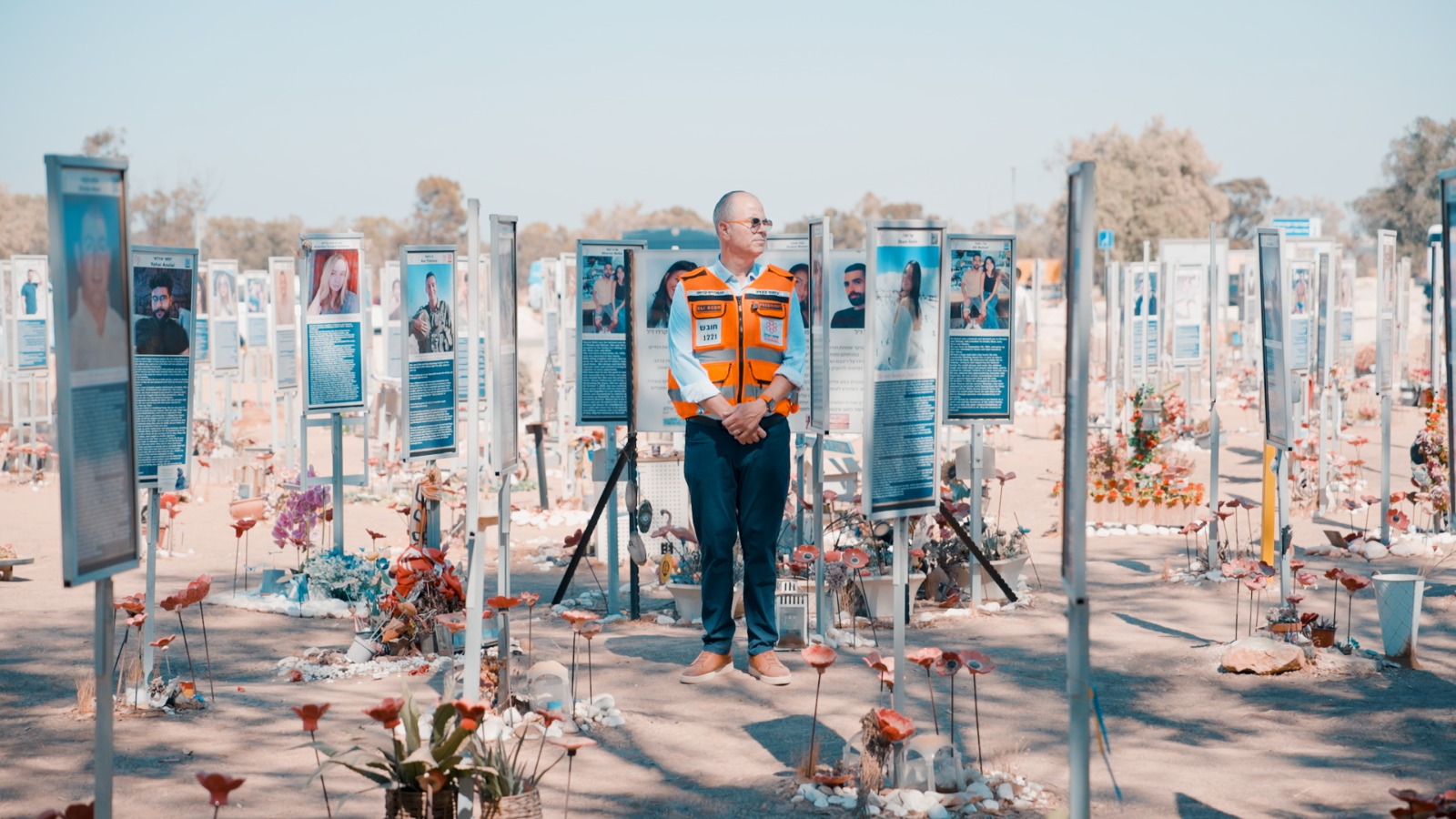
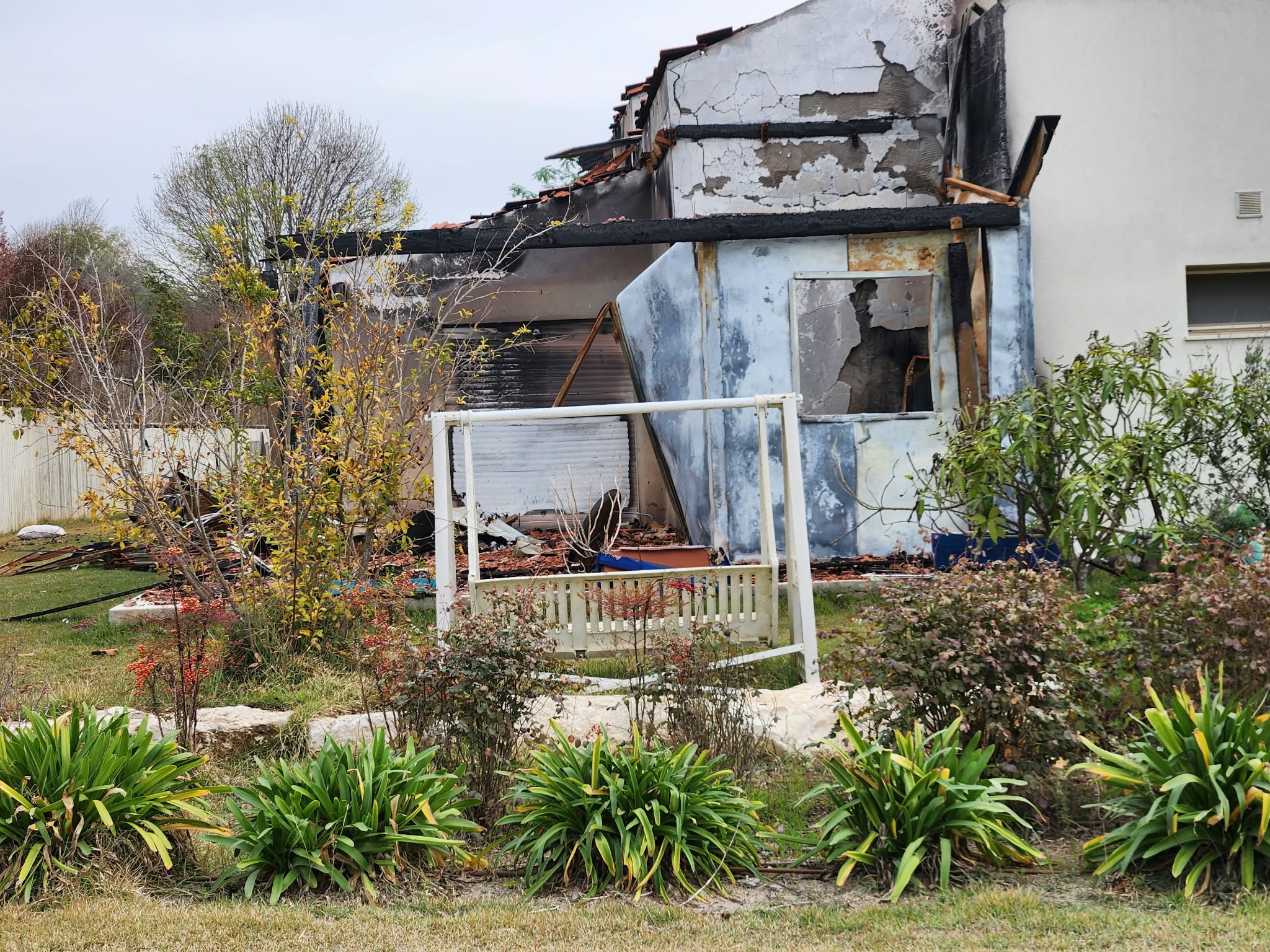
The once peaceful, remote and pastoral fields of the Gaza Envelope communities are no longer just fields to me. The scenes I witnessed on October 7th changed them forever in my eyes, and in the eyes of my fellow first responders who ran into the inferno on that dark day.
For me, the communities of southern Israel are not only names on a map. They are roads that I drove an ambulance on, under fire, searching for the wounded and those in need of rescue. They are the once quiet homes that witnessed horrific scenes I still try to block from my mind. They are the fields and places where I once had to run for shelter from bullets and rockets.
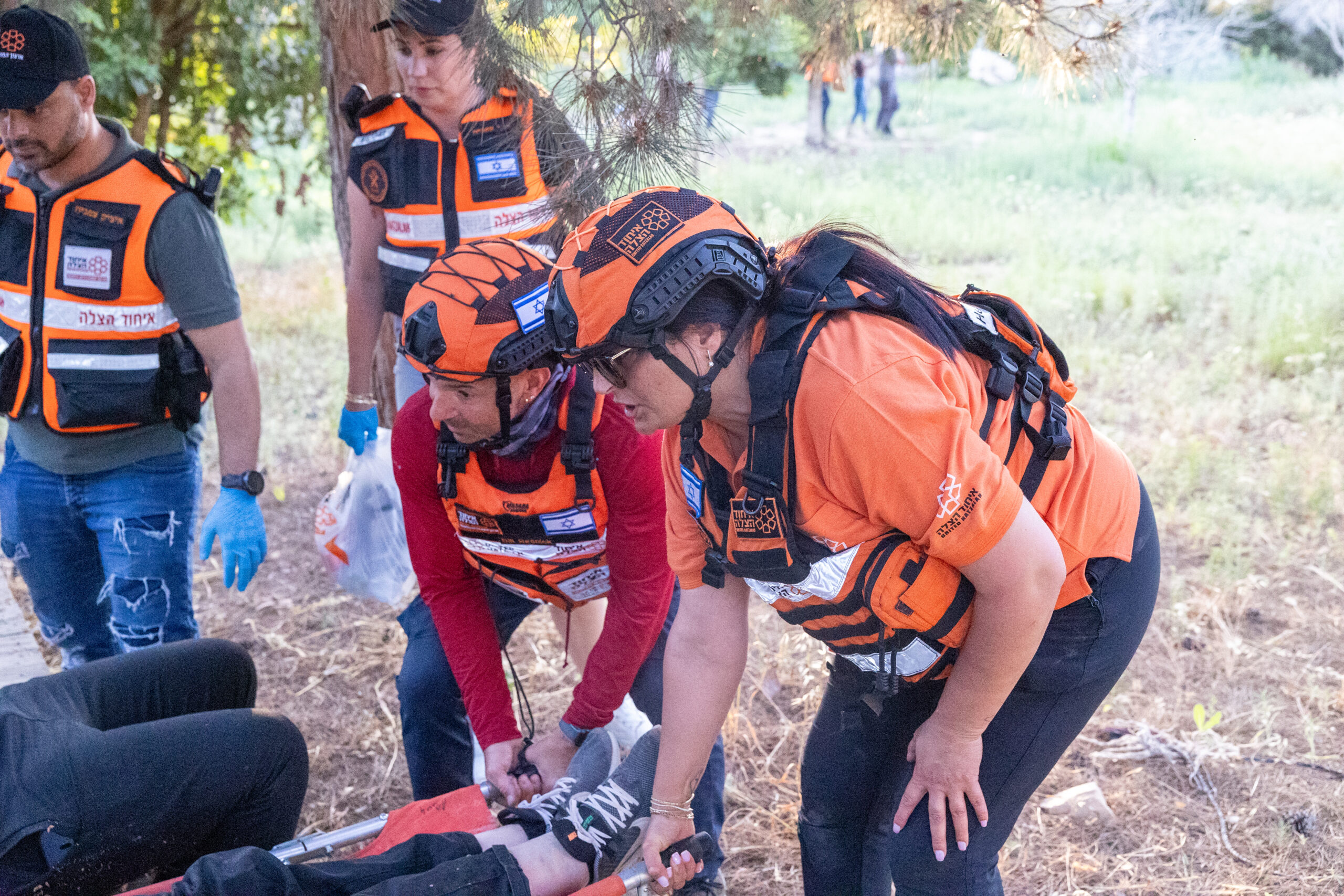
So, when I returned there this week for a major United Hatzalah emergency preparedness drill, for me, it was not just another training exercise. It was a journey back in time. And however emotional it was, it was necessary.
If the events of this past week have shown us anything, it is that our enemies, whether to the north, the east or the south, are still seeking to harm us. We must be prepared to respond to any threat at a moment’s notice.
Many of the people who participated in this Mass Casualty Incident drill were also there with me on October 7. United Hatzalah volunteers, local first responders, IDF soldiers, police officers, firefighters, security personnel and residents of the surrounding communities all lived through the massacre and its aftermath. Many are still recovering from the trauma. And yet, here we were again, standing together, even more determined to protect life and answer the next call for help.
At first, it was hard to breathe. Sometimes your mind remembers before your body realizes. A sound, a radio call, even a road sign can trigger the memories, and suddenly you are back in time. You remember the urgency and the fear. But most of all, you remember the faces of the people you helped, and even more painfully, the names of the people you could not reach in time.
For me, the screams were the hardest part. For others, it was the smoke or the sound of gunshots and explosions. But where there was once only chaos, now there was training, preparation, and purpose. We had the structure and support of United Hatzalah’s emergency preparedness and disaster management teams, and most of all, the hard lessons learned in the most painful way.
This was not only about practicing medical response. It was about readiness. It was about unity. It was about making sure that if the threat returns, the people who live here and serve here will know that they are prepared.
Because the threat is still real.
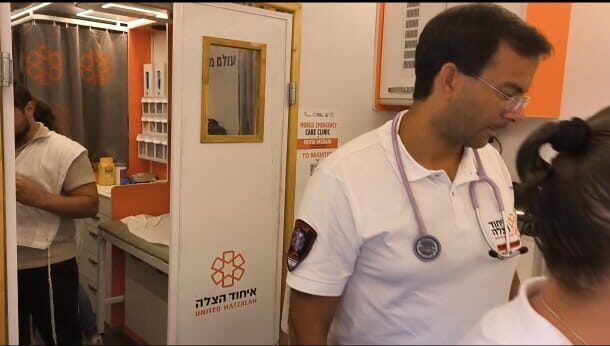
That is why United Hatzalah is constantly training. That is why our medics, paramedics and doctors must develop the muscle memory to respond instinctively when the need arises. That is why our Psychotrauma volunteers are as essential as our medical teams. And that is why our K9 and Drone Units are so critical to the lifesaving work we do.
Standing there, I felt pain. But just as deeply, I felt strength.
I was strengthened by my fellow medics, by my desire to help, and even by the memories of the people who lost their lives on October 7th.
That day, our shared orange heart beat strong and proud on the hallowed ground of October 7. Not only to remember the men, women and children murdered in cold blood by Hamas terrorists, but because our people have returned to the communities, kibbutzim and cities of southern Israel.
Because life is the best response to hate.